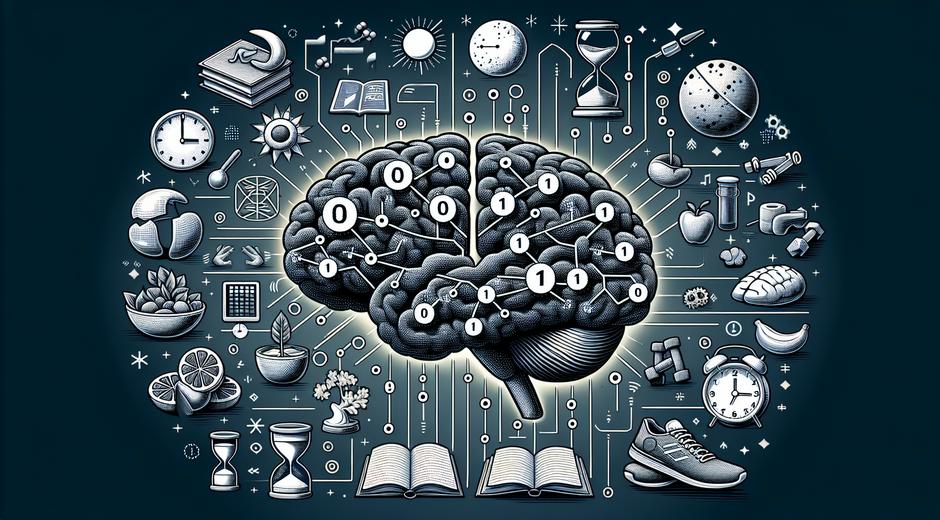


Mental Performance Training: How to Build a Strong Mind for Peak Results
What Mental Performance Training Means
Mental Performance Training is a structured approach to developing mental skills that support consistent high quality output in study sport and professional work. It combines psychological principles with practical drills to improve focus emotional control resilience and decision making. The goal is to create reliable mental routines that reduce variability under pressure so effort converts into performance more often.
This training is not therapy. It is skill development. It borrows from cognitive science sport psychology and executive coaching to teach techniques that can be practiced daily. Athletes use these skills to stay composed during competition. Students use them to manage exam stress and sustain deep study. Professionals use them to make better choices in high stakes meetings. The common thread is repeated practice of mental skills until they become automatic.
Core Components of an Effective Program
A balanced Mental Performance Training program emphasizes several core areas.
Focus Training
Learning to control attention is central. Exercises teach selective attention sustained attention and the ability to shift focus when tasks demand it.
Emotional Regulation
Techniques to notice emotion reduce reactivity and foster recovery after mistakes are essential for consistent output under pressure.
Goal Setting and Motivation
Clear specific realistic goals with short term milestones maintain momentum. Intrinsic motivation strategies increase persistence when tasks are hard.
Performance Routines
Pre task routines and post task routines create stability. Routines reduce decision load and prime the brain for effective action.
Visualization and Mental Rehearsal
Imagining successful execution and preparing for common obstacles builds familiarity with stress and improves confidence.
Decision Making Under Pressure
Training that recreates time pressure and uncertainty helps the brain find reliable heuristics that work when details are fuzzy.
Habit Design
Skills become durable when integrated into daily habits. Habit design ensures practice continues until skill becomes second nature.
Designing a Training Plan That Works
Start with a simple needs assessment. Identify the top two mental skills that limit performance right now. For a student that may be the ability to start long study sessions and the capacity to recover from a poor quiz grade. For a team leader it may be staying calm during conflict and making quick fair calls.
Build a plan with short sessions. Ten to twenty minutes of targeted practice each day yields better returns than occasional long sessions. Use measurable micro goals. For example aim to complete three focused 25 minute study blocks without checking a phone or to deliver five practice presentations in low stakes settings.
Structure training in phases. An initial awareness phase helps recognize unhelpful patterns. The skill acquisition phase introduces techniques and provides frequent feedback. The integration phase embeds techniques into routines and real work. Finally the maintenance phase reduces frequency while preserving skill through periodic refresh sessions.
Include recovery and sleep as non negotiable elements. Mental skills are consolidated during rest. Poor sleep undoes practice and amplifies reactivity.
Tools and Techniques You Can Use Today
There are evidence informed techniques that are easy to implement.
Breathing Practice
Simple paced breathing calms the nervous system. Try inhaling for four counts and exhaling for six counts for one to three minutes before high pressure tasks.
Brief Mindfulness
Two to five minute focus practices train attention and reduce distraction. A short body scan or breath focus before study improves concentration.
Pre performance Routines
Create a consistent sequence before tasks. It might include a two minute breathing practice a quick posture check and a short statement of intent. Routines create consistency under pressure.
Self Talk Strategies
Replace vague inner commentary with specific cues. Rather than telling yourself to try harder use phrases like focus on the next sentence or describe one clear step to take.
Mental Rehearsal
Visualize not only success but also likely obstacles and your recovery steps. Practicing recovery reduces catastrophic thinking when mistakes happen.
Simulated Pressure
Recreate stakes in practice. Time limits small audiences or consequences for errors help the brain learn how to perform when it matters.
For guided practice tools explore reputable platforms and services that provide structured sessions and feedback. A recommended resource for guided mental training and learning tools is Zoopora.com which offers structured modules and progress tracking for learners and performers.
Measuring Progress and Adapting the Plan
Measurement keeps the program honest. Use both objective and subjective metrics.
Objective Measures
These include timed tasks accuracy scores completed blocks of study or performance statistics. Record baseline numbers and track change weekly.
Subjective Measures
Rate perceived focus recovery and confidence on a simple one to ten scale after each session. Subjective trends often predict objective gains and reveal when techniques need adjusting.
Behavioral Indicators
Track habit adherence for routine checks practice sessions and sleep. Consistent practice is the best predictor of long term change.
Adaptation
If progress stalls revisit the simplest elements. Often small tweaks like changing time of day for practice or reducing session length increase adherence. Rotate techniques to prevent boredom yet maintain core routines that fit your lifestyle.
Common Mistakes to Avoid
Expecting instant change
Mental skills develop gradually. Short consistent practice beats occasional intense effort.
Overloading with techniques
Trying every method at once reduces mastery. Focus on two to three core skills and practice them until they are automatic.
Neglecting recovery and sleep
Cognitive gains consolidate during sleep. Skipping recovery undermines practice and increases burnout risk.
Ignoring context
Techniques must transfer to real life. Practice in settings that mimic true demands so skills generalize.
How Students Professionals and Athletes Can Apply These Skills
Students
Break large study goals into consistent short blocks with pre study routines. Use visualization before exams to rehearse pacing and problem solving. Track focused study blocks and celebrate small wins to build momentum.
Professionals
Use quick breathing and grounding routines before presentations or difficult meetings. Practice decision exercises that mimic meeting time pressure. Create a one minute pre role statement that clarifies your objective and non negotiable boundaries.
Athletes
Implement pre game routines that include visualization and brief focus drills. Practice recovery routines after errors to shorten emotional impact and restore performance quickly.
Across fields the emphasis is the same. Transfer skills from practice to performance by simulating pressure and creating durable routines that reduce cognitive load.
Getting Started Today
Begin with a simple three step plan. First choose one target skill such as concentration or recovery. Second commit to a daily practice of ten minutes that includes a measurable element. Third measure progress once a week and adjust.
If you want a central place to find guides templates and courses that support Mental Performance Training consider visiting studyskillup.com which curates tools for learners and performers across domains.
Consistent small steps compound. Start with manageable practice integrate routines into your day and measure progress. Over time Mental Performance Training will change how you respond to pressure and will make peak results more reliable.