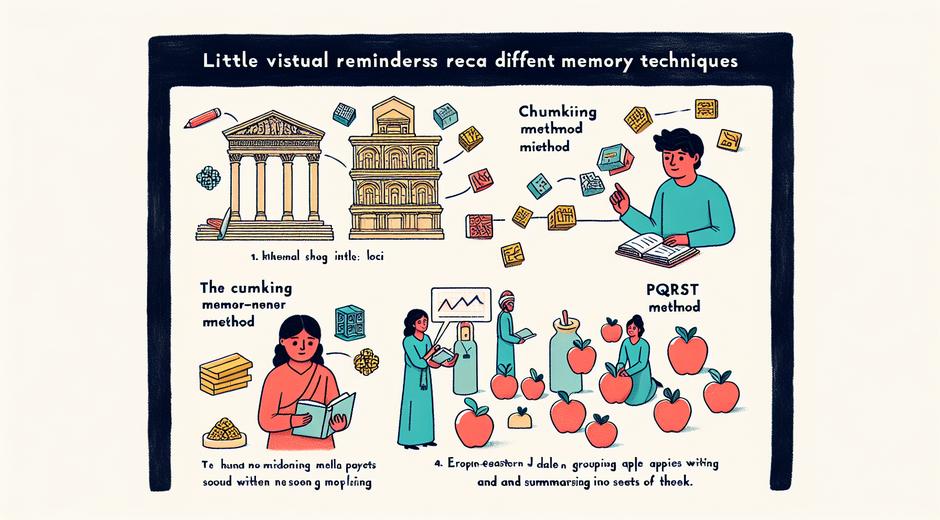
Concentration techniques
Concentration techniques are essential skills for students professionals and anyone who needs to focus deeply on complex tasks. Good focus boosts productivity improves learning and reduces the time needed to complete challenging work. This guide covers practical methods rooted in science and everyday practice to help you build sustained focus and sharpen attention on demand.
Why improving concentration matters
Strong concentration leads to higher quality work faster learning and less fatigue. When you can concentrate you make fewer mistakes learn more from study sessions and feel more confident about task completion. In a world full of distractions mastering reliable concentration techniques gives you a clear advantage in academics career and personal growth.
How attention works in the brain
Understanding a bit about how attention functions helps you apply the right techniques. The brain uses networks that regulate alertness focus and task switching. Constant interruptions force the brain to shift back and forth which drains energy and increases the time required to return to deep work. Training your attention and reducing unnecessary interruptions protects mental energy and improves concentration over time.
Core concentration techniques you can start using today
Here are proven concentration techniques that are easy to adopt and effective when applied consistently.
- Set a single clear goal Every session should have one focused objective such as solving a math problem writing a section of a report or memorizing a list. Clear goals guide attention and reduce the tendency to drift.
- Use time blocks Allocate fixed periods for focused work followed by short breaks. Work in a dedicated time block and treat it as a non negotiable appointment with your brain.
- Try Pomodoro style timing Work for a focused interval then rest briefly. This rhythm protects attention and prevents burnout while keeping momentum steady.
- Control your environment Reduce background noise clutter and visual distractions. A clean workspace and minimal interruptions allow your brain to sustain focus with less effort.
- Practice single tasking Multitasking reduces accuracy and lengthens completion time. Focus on one task until a meaningful milestone is reached.
- Use active engagement methods Summarize information ask questions teach the material to an imaginary learner or use flashcards. Active methods force deeper processing which enhances concentration and memory.
- Build a pre focus routine Create a short ritual before focused work like organizing materials taking three deep breaths and stating your goal. Routines help your brain switch from casual mode to focused mode.
- Train attention with short exercises Try simple attention drills such as focusing on your breath for five minutes or counting backward by sevens. These strengthen the attention muscle over time.
- Optimize sleep and nutrition Poor sleep and low blood sugar undermine attention. Aim for consistent sleep cycles and balanced meals that include protein and complex carbohydrates to stabilize energy.
- Use movement strategically Short walks light exercise or stretching between focus blocks refresh the mind and improve blood flow which supports concentration.
Digital strategies to protect focus
Technology can be the biggest enemy of concentration when notifications and multiple open tabs fragment attention. Use these digital strategies to remain in control.
- Turn off non essential notifications during focus blocks.
- Close or hide irrelevant tabs and apps.
- Designate specific times to check email and messages rather than reacting to each arrival.
- Use a single tool for task tracking so you do not jump between multiple platforms when planning work.
Mindfulness and mental clarity
Mindfulness meditation is one of the most researched ways to improve concentration. Daily short practices of five to fifteen minutes increase sustained attention and reduce mind wandering. Mindfulness does not require special equipment and can be practiced sitting at a desk waiting for a bus or before sleep. The key is regularity. Even a few minutes each day produces cumulative benefits.
Designing study sessions that build lasting focus
When you prepare study or work sessions think in terms of quality not quantity. Shorter highly focused sessions with active recall strategies beat longer passive review sessions. Plan your session with a clear goal use active methods such as self testing and end with a quick review of what worked and what needs improvement. Over time your sessions will become more effective and your baseline concentration will increase.
Habits that support sustained attention
Long term improvement depends on consistent habits. Establish a daily rhythm that includes focused work blocks regular breaks physical activity and proper rest. Avoid extreme changes in routine which can destabilize focus. Start small by committing to one short focused session each day then gradually extend duration as your ability improves.
Measuring progress and adjusting approach
Track the length and quality of your focus sessions. Note how many interruptions you had and whether you completed your goal. Adjust techniques based on results. If you find your mind drifts quickly try shorter intervals and more active tasks. If mental fatigue builds quickly ensure you are getting adequate sleep and nutrition.
Practical tools and resources
Many tools support concentration techniques but the best tool is the one you will actually use. Simple timers notebooks and flashcards are often more effective than complex apps. For additional study skill guides and focused learning strategies visit studyskillup.com where you can find practical articles and templates to structure your study sessions.
If your commute or travel routine affects study time consider practical options that improve how you use that time. For trusted information about efficient car choices and travel planning check resources such as AutoShiftWise.com which offers guidance on making travel and transport more reliable so you can protect your focus time.
Common mistakes to avoid
- Trying to do too much in one session which leads to shallow effort.
- Relying only on passive review such as rereading without testing recall.
- Neglecting basic needs like sleep food and movement which are core to attention.
- Allowing small interruptions to become habitual which trains your brain to expect constant distraction.
Final thoughts on mastering concentration techniques
Concentration is a skill that improves with deliberate practice and the right environment. Combine clear goals structured time blocks active learning methods and supportive habits to build reliable focus. Begin with small consistent steps measure your progress and adapt techniques to your personal needs. With persistence you will notice faster learning better quality work and a calmer approach to challenging tasks.
Applying these concentration techniques will transform how you prepare learn and perform. Start today by picking one method to try this week and track the difference in your attention and output.