

Self directed learning A practical guide to take control of your skill growth
Self directed learning has become a vital skill for students professionals and lifelong learners who want to stay competitive in a fast changing world. This type of learning puts you in the driver seat of your education. You decide what to learn why to learn it and how to track progress. In this article you will find a clear practical approach to adopt Self directed learning in any field along with strategies to stay motivated manage time and measure results.
Why Self directed learning matters now
Traditional classrooms and formal training remain valuable yet the pace of change means formal offerings can lag behind real world needs. Self directed learning lets you close that gap. It helps you respond quickly to new technologies market shifts and career opportunities. Employers now value adaptability problem solving and the ability to learn independently. Practicing Self directed learning not only builds knowledge but it also strengthens confidence critical thinking and the ability to apply concepts in real work.
Core principles of Self directed learning
At the heart of Self directed learning are a few consistent principles. First identify clear goals that are meaningful and measurable. Second choose sources and methods that match your learning style. Third plan focused practice and reflection cycles. Fourth track your progress and adjust goals based on new insights. Finally seek feedback from peers mentors or communities to validate learning and refine understanding. These principles form a simple loop that keeps learning practical and outcome driven.
How to set effective goals for Self directed learning
Good goals guide your time and energy. Use specific action based targets rather than vague statements. For example instead of saying I want to learn data analysis choose a clear outcome such as build three data dashboards using real data within eight weeks. Break larger goals into weekly milestones and create checkpoints to review results. Setting a mix of short term and long term goals keeps momentum while preserving a big picture vision.
Design a learning plan that works for you
A plan keeps Self directed learning organized. Start by mapping required skills and ranking them by impact and difficulty. Select learning resources such as books online courses tutorials podcasts and hands on projects. Create a weekly schedule that balances new learning with revision and practice. Include focused practice sessions where you apply concepts to real tasks. This planning stage prevents scatter and makes progress visible.
Practical study strategies for deeper learning
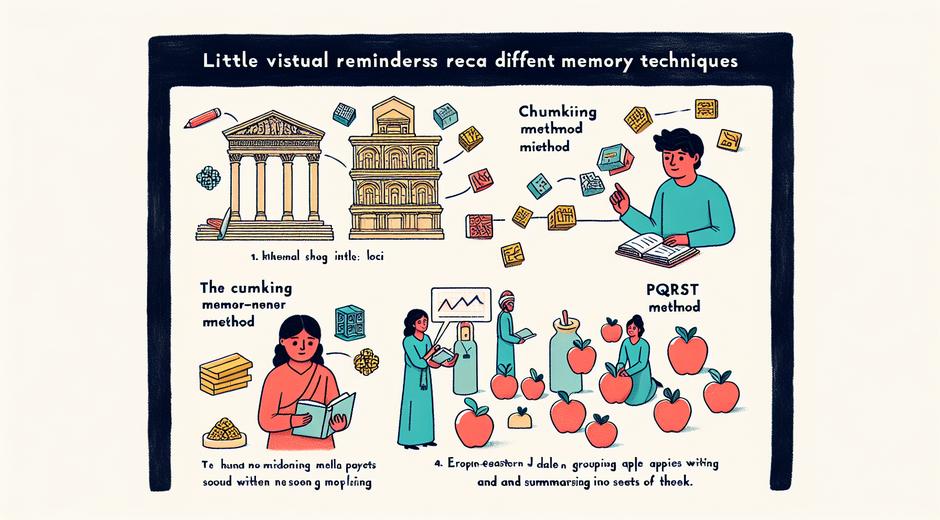
Use active learning methods rather than passive reading. Summarize concepts in your own words teach ideas to a peer or use flashcards for key facts. Practice retrieval by testing yourself instead of re reading notes. Work on projects that force you to integrate multiple ideas. Spaced practice and regular review help information move from short term memory into long term memory. These strategies make Self directed learning more efficient and durable.
Time management and consistency
Small consistent actions beat rare intense sessions. Schedule daily shorter sessions focused on difficult tasks and weekly longer sessions for project work. Use techniques such as time blocking to protect study time and avoid multitasking. Track study hours and compare them to outcomes to see what pattern yields the best progress. Consistency builds habits and habits reduce the need for motivation, making sustained Self directed learning more achievable.
Finding reliable resources and mentors
Quality of resources matters. Look for materials created by experienced practitioners and review learner feedback. Combine free and paid resources to balance depth and breadth. Join communities or local groups that focus on the same skills to exchange feedback and stay accountable. If you need structured guidance consider hiring a coach or mentor for targeted feedback. For more general skill development articles and guides visit studyskillup.com where you can find curated content and practical templates to support Self directed learning.
Tools that support Self directed learning
Simple tools can amplify productivity. Use a note taking system to capture ideas organize concepts and link related resources. A task manager helps you prioritize milestones and maintain focus. Version control and portfolio platforms help document project work and demonstrate tangible outcomes to employers or clients. Many learners also benefit from habit trackers and calendar integrations that automate reminders and keep study consistent.
Measuring progress and celebrating wins
Measurement prevents drift. Use specific metrics tied to your goals such as number of completed projects accuracy on assessments or time to solve a defined problem. Keep a learning journal that records breakthroughs struggles and next steps. Periodic reviews every month or quarter let you reassess priorities and choose new targets. Celebrate small wins to reinforce positive behavior and maintain momentum through long learning journeys.
Overcoming common obstacles
Self directed learning can feel isolating or daunting at first. Common obstacles include lack of time unclear goals procrastination and fear of failure. To overcome these start with micro goals and build progressive challenge. Use study buddies or accountability groups to reduce isolation. Reframe setbacks as data points and adjust plans rather than abandoning efforts. When health or focus become a barrier consider resources that support physical and mental energy such as exercise sleep and nutrition. For trusted information on wellness practices that boost cognitive performance check resources at BodyWellnessGroup.com which offers practical tips for maintaining energy and focus during intense learning periods.
How to apply Self directed learning in different contexts
The Self directed learning approach adapts to school work professional development hobby learning and community projects. In academic settings use the method to supplement coursework and pursue research questions. In the workplace target skills that increase impact such as coding communication and project management. For hobbyists choose project based learning to keep practice enjoyable and outcome centered. The key is to always tie learning to meaningful real world tasks.
Creating a long term learning ecosystem
Think of your learning life as an ecosystem. Regularly refresh resources rotate projects and maintain networks that support growth. Commit to periodic up skilling and cross skilling to remain versatile. Maintain a public portfolio or blog to record and share your progress. This not only signals competence to others but also reinforces accountability in your own learning practice.
Conclusion
Self directed learning is a powerful approach to master new skills adapt to change and take ownership of personal development. By setting clear goals designing a realistic plan using active learning techniques and measuring progress you create a sustainable path to mastery. Use community and expert resources wisely and support your learning with good health practices. With discipline and reflection Self directed learning becomes not just a method but a lifelong advantage.