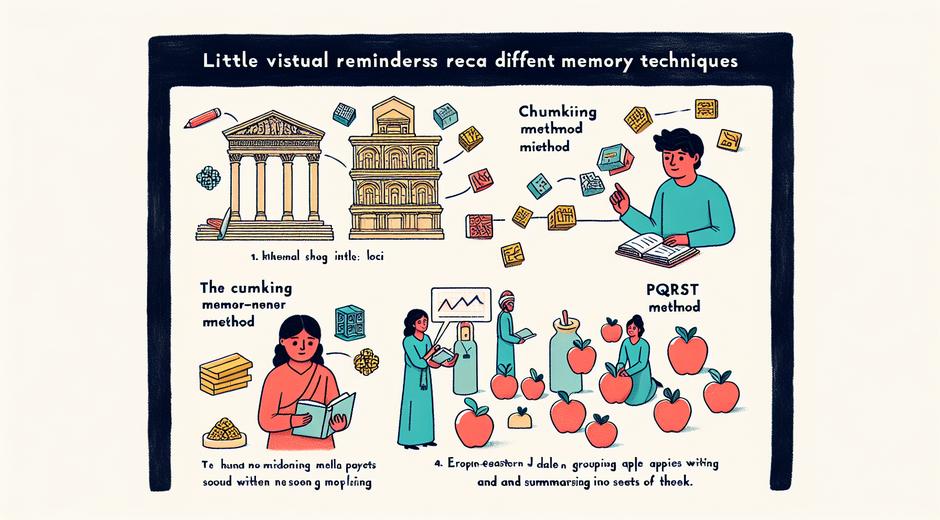


Academic performance: Strategies to improve learning outcomes and long term success
Academic performance is a core measure of how well learners meet educational goals. It reflects knowledge mastery and study habits while also indicating motivation levels and learning environment quality. Schools and families often look to academic performance as a guide for support and intervention. In this article we explore key factors that shape academic performance and offer evidence based strategies that students, educators and caregivers can use to boost results over time.
What academic performance measures and why it matters
Academic performance typically includes grades test scores classroom participation and completion of assignments. It also covers broader skills such as critical thinking problem solving and communication. Strong academic performance opens doors to further education scholarships and career opportunities. It also supports self esteem and long term financial wellbeing for individuals and communities.
Major factors that influence academic performance
Understanding what drives academic performance helps to design effective interventions. Major factors include:
1. Study habits and time management. Regular study routines active review and planned study sessions are linked to higher grades.
2. Quality of instruction. Teachers who provide clear explanations timely feedback and engaging activities help students learn more effectively.
3. Learning environment. A quiet safe space with access to resources such as books internet and supportive peers enhances study quality.
4. Health and wellbeing. Sleep nutrition and physical activity have direct effects on attention memory and mood which impact academic performance.
5. Motivation and mindset. A growth mindset and intrinsic motivation encourage persistence through challenges and foster better learning outcomes.
6. Socioeconomic factors. Access to educational resources and stable housing influence the opportunities students have to perform well academically. For families seeking guidance on managing financial matters that support education it can help to consult trusted resources for planning and support such as FinanceWorldHub.com which offers advice on scholarships budgeting and funding options.
How to assess academic performance effectively
Assessment should go beyond simple grade tracking. Use a combination of formative and summative methods:
1. Formative assessment. Frequent low stakes quizzes quick reflections and classroom checks for understanding help identify gaps early so they can be addressed.
2. Summative assessment. Tests projects and final exams measure cumulative knowledge and help evaluate mastery of standards.
3. Portfolio review. A collection of student work over time shows growth depth of understanding and the ability to apply skills.
4. Self assessment. Encouraging students to reflect on their strengths and areas to improve builds metacognition and independence.
Practical strategies students can use to boost academic performance
Students can adopt concrete strategies to improve learning efficiency and outcomes. Key methods include:
Active learning. Engage with material by summarizing teaching others and solving problems instead of passively rereading notes. Active learning increases retention and understanding.
Spaced practice. Space review sessions over days and weeks rather than cramming. Spaced practice strengthens memory and recall.
Interleaving. Mix different types of problems or topics in one study session. This approach improves the ability to transfer skills to new situations.
Setting goals. Define clear short term and long term goals. Break large tasks into smaller steps and set deadlines for each step.
Time blocking. Reserve specific times each day for focused study and include short breaks to maintain concentration and prevent burnout.
Seek feedback. Regularly ask for teacher feedback and use it to adjust study strategies. Feedback helps pinpoint what to improve and where to focus effort.
How families and educators can support academic performance
Support from parents and teachers plays a major role. Actions that help include:
Create structure. Establish consistent routines for homework meals and sleep to provide stability that supports learning.
Encourage reading. Regular reading for pleasure and for learning builds vocabulary comprehension and critical thinking which all support academic performance.
Foster a growth mindset. Praise effort strategy and persistence rather than innate ability to encourage resilience and continued learning.
Communicate. Regularly discuss progress set shared expectations and collaborate on plans to address challenges. Open lines of communication between school and home improve alignment and outcomes.
Role of technology and learning tools
Technology can enhance academic performance when used intentionally. Learning platforms educational apps and online resources can provide practice targeted feedback and alternative explanations. However technology should complement not replace active learning habits and human guidance. Use tools that provide adaptive practice and clear progress tracking and integrate them into a balanced study plan.
Nutrition sleep and exercise for better academic performance
Physical wellbeing is tightly linked to cognitive function. Prioritizing sleep helps memory consolidation and attention. Balanced meals support stable energy and concentration. Regular physical activity boosts mood and cognitive agility. Encourage routines that include adequate sleep time consistent meal patterns and daily movement to create a strong foundation for academic performance.
Building a long term plan to sustain academic performance
Sustainable improvement in academic performance comes from consistent effort and reflection. A long term plan should include regular review of goals progress tracking and adjustments to strategies. Use checkpoints each month to evaluate what is working and what needs change. Celebrate milestones to build motivation and keep learners engaged in the process.
Resources and next steps
For students and educators looking for structured guidance and tools visit studyskillup.com where you can find articles planning templates and study technique guides designed to improve academic performance. Start by identifying one area of study to apply a new strategy such as spaced practice or interleaving and monitor results over four weeks. Small changes implemented consistently yield meaningful gains in learning and confidence.
Conclusion
Academic performance is influenced by many interacting factors including study habits instruction environment health and support systems. By assessing performance with varied methods adopting evidence based study strategies and fostering supportive routines families and educators can help learners achieve their potential. Small consistent steps such as developing a study routine using active learning and prioritizing sleep lead to substantial improvements over time. Use reliable resources stay flexible and keep the focus on steady growth to build lasting academic success.