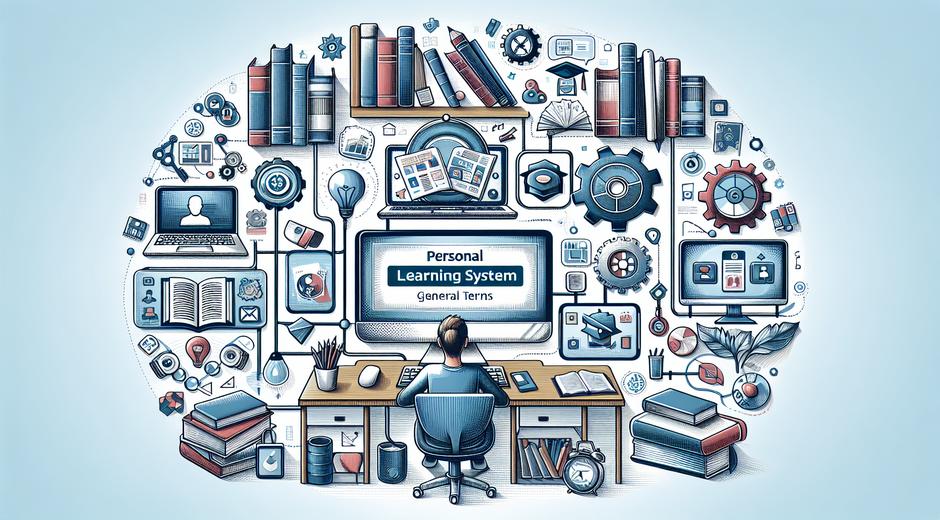


Personal learning systems A practical guide to building your best learning process
Personal learning systems are an essential concept for anyone who wants to take control of study habits and career growth. In a world where information is abundant and time is limited, a clear learning system helps you focus on what matters and track progress over time. This article explains what Personal learning systems are why they matter and how to create one that fits your needs. It also offers tactical steps and tool suggestions that work for students professionals and lifelong learners.
What are Personal learning systems
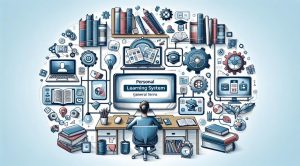
A Personal learning system is a structured approach that a person uses to plan collect absorb and apply knowledge. It is not a single app or a rigid plan. It is a flexible set of practices and tools that complement your goals learning style and schedule. Core elements include goal setting content selection study routines feedback loops and reflection. When these elements work together you can learn faster retain more and adapt to new challenges.
Why Personal learning systems matter
Personal learning systems convert random study time into purposeful progress. They reduce wasted effort by guiding content choices and by making review and practice systematic. When learners have a system they find it easier to maintain momentum and to measure growth. Employers and educators value people who can demonstrate continuous improvement and who can apply learning to real tasks. A good Personal learning system also supports mental clarity and reduces anxiety about being behind.
Core components of effective Personal learning systems
Clear goals
Start with short term and long term goals. Short term goals can be weekly or monthly targets. Long term goals link to career steps certifications or major projects. Goals provide direction and reduce the temptation to chase low value materials.
Relevant content
Curate content that aligns with your goals. Quality matters more than quantity. Use trusted sources textbooks curated courses and expert articles. A curated reading and practice list prevents distraction and keeps learning efficient.
Study routine
Design a routine that matches your natural energy and daily schedule. Consistency is more important than long sessions. Daily focused practice even in small blocks builds momentum. Include active techniques like recall and application rather than passive review only.
Feedback loop
Build feedback into your system. This can be in the form of quizzes peer review projects or mentor feedback. Feedback highlights gaps and directs next steps.
Reflection and revision
Regularly review what worked and what did not. Adjust goals and methods based on evidence. Reflection is the engine that turns raw time into real improvement.
Tools and resources
Choose tools for note taking scheduling progress tracking and practice. The right tools reduce friction and help you stay organized.
How to design your Personal learning system step by step
Step one Define outcomes
Write clear outcome statements. For example learn to draft a professional report write code to solve core problems or pass a specific certification. Outcomes should be concrete and measurable.
Step two Break outcomes into skills
Identify the smallest skills that lead to the outcome. For each skill list sub skills and practice tasks. Smaller skills are easier to practice and to measure.
Step three Choose content and methods
Select learning materials for each skill. Mix explanations examples practice tasks and assessments. Favor active learning techniques such as teaching someone else problem solving spaced retrieval and real world projects.
Step four Schedule regular sessions
Decide how often and how long you will practice. Build sessions into your calendar. Short consistent sessions beat rare long cramming sessions.
Step five Monitor and adapt
Track key indicators like accuracy speed or completion of practice sets. Use that data to adjust tempo content or methods. If progress stalls try a new method or break tasks into smaller parts.
Step six Share and validate
Find peers mentors or online communities to share progress get feedback and validate understanding. Explaining ideas to others uncovers gaps and strengthens memory.
Practical techniques to include in Personal learning systems
Spaced retrieval
Practice retrieval with increasing time intervals. This boosts retention and makes review efficient.
Interleaving
Mix related topics during practice sessions to improve discrimination and transfer. Avoid long single topic blocks once basic familiarity exists.
Project based tasks
Apply learning to real world tasks. Projects force integration of skills and reveal practical gaps.
Micro practice
Short focused drills build skill quickly when repeated regularly.
Active note making
Create notes that require processing. Summaries concept maps and question cards help with later review.
Tools and technologies that support Personal learning systems
Choose tools that reduce friction and increase consistency. Simple calendars timers and digital note systems can be transformative. For structured content use reputable educational platforms and curated articles. For community and feedback join forums or groups focused on your area. If you need a reliable hub for multiple guides and templates check resources such as studyskillup.com which offers practical guides and toolkits to build a Personal learning system that fits daily life. For topical case studies in civic learning and information dynamics a quality resource is Politicxy.com which can inspire learning projects that link knowledge to public issues.
Measuring progress in your Personal learning system
Use a few clear metrics rather than many vague ones. Metrics can be task completion rates performance on assessments speed on key tasks or application success in projects. Combine quantitative metrics with qualitative insight from peer feedback and self reflection. Schedule weekly reviews to update tasks and monthly reviews to adjust goals. Over time these measures show whether your system is producing the intended outcomes.
Common mistakes to avoid when building Personal learning systems
Chasing novelty
Constantly switching methods tools or topics wastes time. Test a method long enough to see results before discarding it.
No clear outcomes
Without clear outcomes you will consume materials without real skill development. Define outcomes and measure toward them.
Ignoring basic skills
Skipping fundamentals for advanced topics creates weak foundations. Invest time in core skills that unlock higher level work.
Over reliance on passive review
Passive review feels productive but yields low retention. Prioritize retrieval practice and application.
Tool overload
Too many apps and lists create friction. Keep tools to a minimum and use ones that integrate well with your routine.
How to scale a Personal learning system for teams or classes
A system that works for an individual can be adapted for groups. Shared goals calendars and progress boards create collective accountability. Standardize core practices such as regular reflection shared rubrics and project templates to enable consistent assessment. Encourage peer feedback and mentoring to accelerate group learning. Keep communication channels focused and task oriented to reduce overhead.
Conclusion
Personal learning systems are powerful because they convert intention into measurable progress. By combining clear goals curated content consistent routines feedback and reflection you can build a system that fits your life and accelerates growth. Start small define outcomes and commit to regular practice. Use reliable tools and seek feedback. Over time your Personal learning system will become a reliable engine for skill building and career growth.