

Learning adaptability: How to thrive in a fast changing world
Learning adaptability is the capacity to adjust how you learn when the environment shifts. It is a vital skill for students professionals and lifelong learners who face constant change. Developing the ability to learn in new ways improves retention speeds and confidence. This article explains why learning adaptability matters which core skills support it and practical steps you can use every day to strengthen this ability. For more resources and guidance visit studyskillup.com where you will find tools and courses designed to boost learning performance.
Why learning adaptability matters today
Technologies workflows and job expectations change rapidly. Workers must update knowledge to stay relevant. Students must master new methods and formats to succeed. Learning adaptability reduces anxiety and increases productivity because adaptable learners can switch approaches evaluate what works and move forward quickly. From a career perspective adaptable learners are more likely to be promoted or to find new roles because they learn what is needed for success.
At an organizational level teams that embrace adaptable learning innovate faster and respond better to feedback. In a classroom setting learners who adapt their strategies perform better on tests and projects because they refine their approach rather than repeating ineffective habits. In short learning adaptability is not only about surviving change but about using change as an advantage.
Core skills that support learning adaptability
Learning adaptability depends on a combination of cognitive habits emotional traits and practical routines. The main skills include:
- Metacognition The ability to reflect on how you learn and to adjust methods based on results.
- Curiosity A strong desire to explore new ideas and to ask questions about how things work.
- Flexibility Willingness to try alternatives and to change expectations when new information appears.
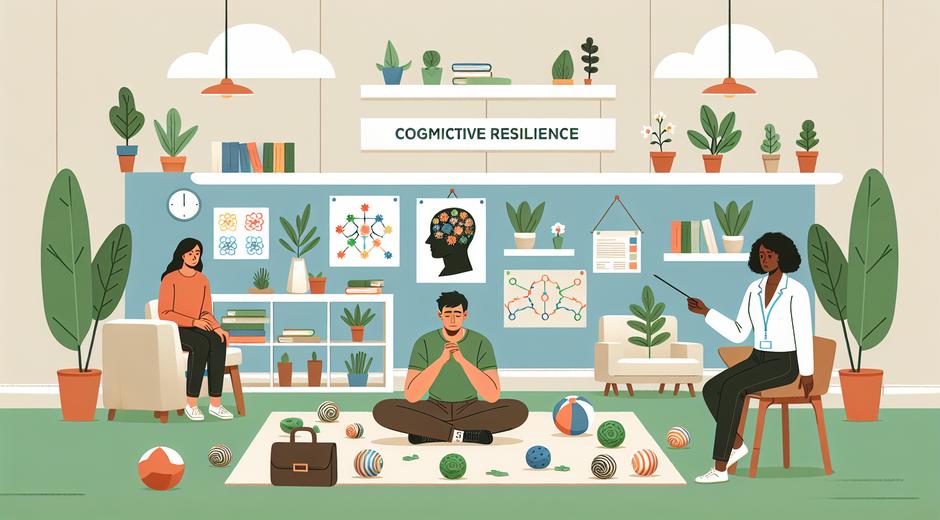
- Resilience Capacity to recover from setbacks and to treat mistakes as data for improvement.
- Time management The discipline to allocate time for practice for review and for new learning tasks.
- Critical thinking The skill of evaluating sources methods and results to choose better learning strategies.
Each of these skills supports learning adaptability in a different way. Metacognition makes change systematic because it converts experience into actionable insights. Curiosity supplies the motivation. Flexibility helps with execution. Resilience keeps momentum alive when progress is slow. Time management ensures consistent practice. Critical thinking filters noise from useful signals.
Practical steps to build learning adaptability
Adaptability is a skill you can train with focused practice. Below are step by step strategies you can use on a daily basis.
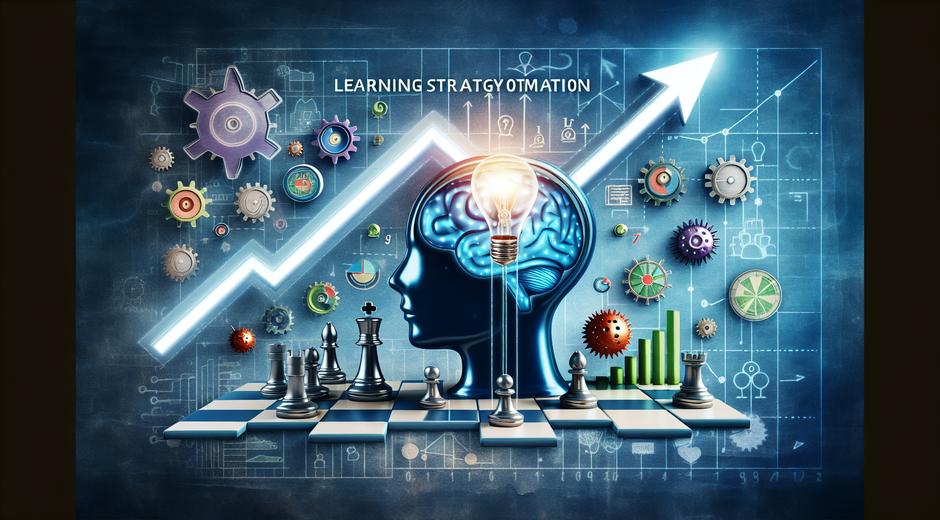
- Start with a learning audit At the end of each week review what you learned and how you learned it. Note what worked and what did not. This simple habit builds metacognition and creates a feedback loop that speeds improvement.
- Rotate learning methods If you usually read switch to audio or practice with a task based exercise. Exposing yourself to multiple formats reveals strengths and weaknesses that a single method hides.
- Set micro experiments Try a new approach for one week and measure results. Use small tests to lower risk and to speed discovery of effective techniques.
- Embrace failure as data When a method fails log what happened and what you will change. This reframing reduces fear and makes iteration faster.
- Schedule reflection time Block short review sessions after practice to ask what improved and what remains unclear. Reflection anchors learning and makes future adjustments easier.
- Use spaced review Revisit material over increasing intervals to strengthen memory. Spaced review pairs well with adaptive strategies because it highlights gaps that demand new tactics.
- Seek diverse feedback Regularly ask peers mentors and instructors for input. Multiple perspectives reveal blind spots and accelerate correction.
- Document your process Keep a simple learning journal that records goals methods and outcomes. Documentation turns tacit knowledge into a replayable system for future skills.
These steps are practical and low cost. You can apply them at home with a textbook in a workplace training program or during online courses. The goal is to create small cycles of action reflection and adjustment so learning becomes adaptive by design.
Learning adaptability for teams and leaders
For leaders promoting learning adaptability means creating safe spaces for experimentation. Encourage team members to run short knowledge experiments and to share what they learned without fear of blame. Establish rituals such as weekly learning reviews where the focus is on process rather than fault.
Provide time for skill development and reward learning behaviors that display flexibility and reflection. When teams celebrate adaptive wins they create a culture where change is seen as an opportunity. Leaders can model the behavior by openly adjusting their own learning strategies and by documenting what did and did not work.
Measuring progress and staying motivated
Measurement helps maintain momentum. Use a few simple indicators to track your adaptability progress:
- Number of new methods tried in a month
- Rate of improvement in practice tasks
- Frequency of reflection entries in your learning journal
- Feedback trends from peers and mentors
Keep goals modest and celebrate small wins so motivation remains steady. Adaptability grows more quickly when practice is consistent. If you find motivation waning revisit your purpose. Ask why this skill matters for your career or personal growth. Reconnecting to purpose often restores energy.
Tools that enhance learning adaptability
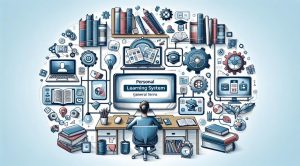
Several tools can support adaptive learning. Spaced review apps flexible note taking platforms collaborative tools and analytics driven learning platforms all make iteration easier. Many learners find that a simple notebook combined with periodic digital reminders is highly effective. Select tools that match your workflow and that do not create friction in your practice.
For a curated set of recommendations and practical guides focused on essential learning skills visit StudySkillUP.com where you will find structured programs and tips tailored to busy learners. These resources help you apply the principles in daily routines so adaptability becomes a natural habit.
Common obstacles and how to overcome them
Several challenges slow progress. The most common are fear of failure rigid schedules and lack of clear feedback. To overcome fear reframe mistakes as experiments. To deal with rigid schedules use micro sessions of ten to twenty minutes that accumulate. To get feedback set up brief reviews with a peer or use self tests that clearly show areas to improve.
Another obstacle is information overload. When too much material competes for attention use a filter based on relevance and impact. Prioritize learning tasks that deliver the greatest return for your current goals and defer the rest.
Conclusion
Learning adaptability is a foundational skill for success in education and in the workplace. It combines reflection curiosity flexibility resilience and practical routines. By using small experiments reflection and consistent review you can build adaptive learning into your daily life. Start with a weekly audit rotate methods try micro experiments and seek feedback. Over time these habits compound and make learning faster and more enjoyable. With practice you will navigate change with confidence and use new situations to grow quickly.
Make a plan to apply one recommendation from this article this week and track the outcome. Small actions today produce meaningful change tomorrow when it comes to the ability to learn and adapt.