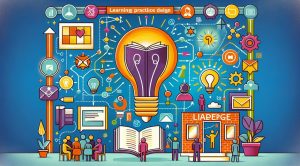


Skill Building: A Practical Guide to Growing Abilities for Career and Life
Skill Building is the foundation of personal growth and career advancement. Whether you are a student preparing for a first job or a seasoned professional aiming to pivot into a new field, a clear approach to building skills makes progress faster and more reliable. This guide explains why skill building matters, how to plan a learning path, and how to turn effort into lasting ability. For curated lessons and a wide range of learning resources visit studyskillup.com to explore tools and guides that match your goals.
Why Skill Building Matters
In a world that changes quickly, the capacity to learn new abilities is more valuable than any single ability. Employers value people who can adapt and apply knowledge to novel problems. Individuals who invest in skill building increase their earning potential, expand their career options, and gain confidence. Beyond work, building skills improves daily life by making tasks easier and creating new opportunities for creative expression.
Skill Building is not only about acquiring facts. It is about mastering processes, developing judgment, and training habits that turn knowledge into action. High value skills often combine technical knowledge with communication and problem solving. That is why a balanced approach yields the best outcomes.
Core Principles of Effective Skill Building
Several core principles guide efficient learning and long term retention. Keep these principles in mind as you design your learning plan.
Focus on fundamentals. Deep understanding of core ideas reduces the time needed to learn advanced topics. For a language skill, fundamentals include grammar and frequent vocabulary. For a technical skill, fundamentals include key concepts and common patterns.
Practice intentionally. Passive study has limited impact. Intentionally plan practice sessions that target specific sub skills and increase in difficulty. Short, focused sessions with clear goals outperform longer unfocused sessions.
Use feedback. Immediate and accurate feedback helps you correct errors and refine technique. Seek feedback from mentors, peers, automated tools, or real world outcomes.
Create projects. Applying skills in real projects forces integration of knowledge and pushes you to solve practical problems. Projects provide evidence of ability and improve portfolio strength.
How to Plan Your Skill Building Journey
A practical plan transforms vague hopes into measurable progress. Follow a simple framework to create a plan that works.
Step one Define a clear outcome. Describe what you want to be able to do and by when. Instead of saying I want to learn programming choose a target like build a web app that collects user feedback.
Step two Break the outcome into sub skills. Identify the smallest units you need to practice. For the web app example sub skills include basic coding, user interface design, data storage, and testing.
Step three Sequence the sub skills logically. Start with basics that enable later learning. Combine theory reading with short practice tasks so you immediately apply what you read.
Step four Schedule regular practice. Consistency matters more than intensity. Short daily sessions are often better than long sporadic sessions.
Step five Measure progress. Choose metrics that reflect real ability such as completed projects, timed tasks, or quality assessments from peers. Regular measurement allows you to adjust focus and remove bottlenecks.
Time Management and Practice Techniques
How you spend your practice time determines how quickly you build skills. Use proven techniques to make each session count.
Deliberate practice means focusing on tasks that push the edge of your current ability. Choose exercises that are slightly beyond comfort and repeat them until they improve. Avoid only repeating tasks you can already do well.
Spaced repetition improves memory for facts and procedural steps. Space review sessions over days and weeks to move knowledge from short term recall into stable long term memory.
Interleaving is studying multiple related skills in one session. This approach improves the ability to choose the right method when faced with a new problem.
Simulated real world practice replicates the pressures you will face when you use the skill for work or public performance. For communication skills practice in front of a small audience. For negotiation skills practice with a partner who plays a tough role.
Tracking Progress and Staying Motivated
Tracking progress and maintaining motivation are critical for long term success. Clear milestones and visible evidence help maintain momentum.
Create a progress log that records what you practiced and what improved. Visual charts of completed tasks help you see cumulative progress and reduce the sense of stagnation. Celebrate small wins to maintain morale.
Find social accountability. Join a study group, hire a coach, or pair with a peer who shares similar goals. Social connection increases the likelihood that you will follow through and exposes you to different perspectives and faster feedback.
Set an adaptive goal. If a plan proves too easy or too hard adjust it. Skill Building is a dynamic process. Flexibility preserves commitment and prevents burnout.
Applying Skills in the Real World
The final test of any learning is its use outside practice. Apply skills in real settings to complete the learning cycle. Look for volunteer work or low stakes projects that let you test new abilities. Building a portfolio of completed work increases credibility and opens doors.
For example if you are building skills in property management you can start with a small project such as helping a friend manage a rental listing. Real tasks reveal soft skills like communication and negotiation that are as important as technical knowledge. When you are ready to scale the scope of your work you can consult specialized services and platforms to reach a wider audience. Learn from practical experiences and then refine your process based on outcomes and feedback. If you need services related to property or real estate review the offering at MetroPropertyHomes.com to see how professionals present property to clients and how management tasks are organized in a commercial setting.
Resources and Next Steps
To continue developing a plan, collect a small set of reliable resources. Choose one foundational book or course, one practical project, and one feedback channel. Avoid the temptation to overload with too many resources. Depth is better than breadth when building transferable skill.
Join communities related to your target skill. Online forums, local meetups, and niche groups provide problem solving help and accountability. Mentors accelerate progress by sharing experience and shortcuts that reduce trial and error.
Finally maintain a learning mindset. Reflect regularly on what works and what does not. Skill Building is a lifelong activity that yields compounding returns. Small regular investments in learning add up to major career and life changes over time.
Skill Building empowers you to adapt to change and to create the life you want. Start with a clear outcome, follow a plan that emphasizes practice and feedback, and apply your skills in real contexts to convert effort into meaningful ability. For more tips on planning a learning path and for practical exercises visit studyskillup.com and explore resources that suit your learning style.