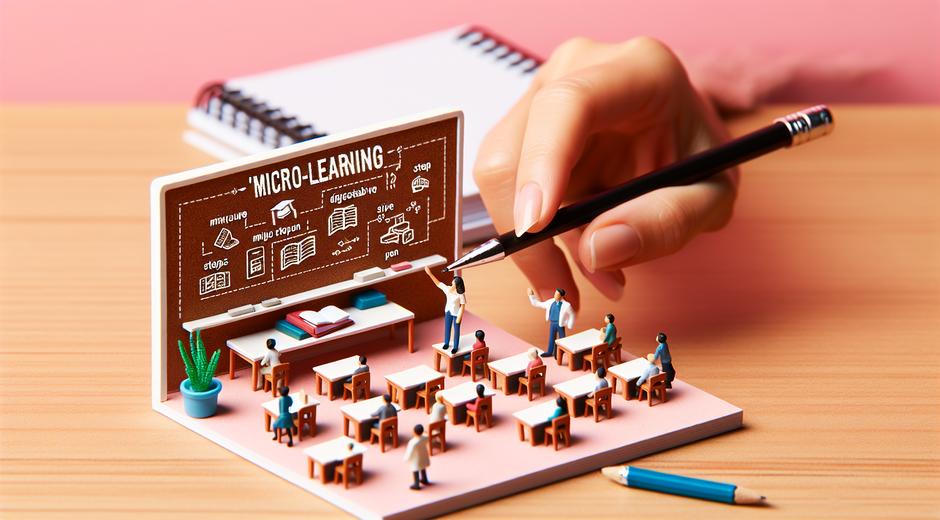


Micro Learning A Practical Guide to Fast and Effective Skill Building
Micro Learning has become a powerful method for learners who want quick focused lessons that fit into busy schedules. This approach breaks complex topics into short lessons that target a single objective. For professionals students and lifelong learners Micro Learning offers a way to acquire and retain knowledge with less friction and more consistency. In this guide we explain what Micro Learning is why it works and how to design brief learning experiences that produce measurable results.
What Micro Learning Means and Why It Works
At its core Micro Learning focuses on small units of content that take a few minutes to consume. Each unit concentrates on one concept skill or procedure. Short content reduces cognitive overload and makes it easier for learners to focus deeply on one idea at a time. Frequent exposure to concise material supports long term retention by reinforcing memory through repetition and practice.
Psychology research shows that spacing practice and active retrieval improve memory. Micro Learning fits these principles because short lessons can be scheduled with spacing and include quick checks that require recall. This makes Micro Learning ideal for just in time training and for continuous improvement efforts across many fields.
Key Benefits of Micro Learning
There are several advantages that make Micro Learning attractive for organizations and individuals. It supports fast rollout of new content which is critical when information changes quickly. It reduces time away from core work since lessons are short and focused. It improves engagement because learners can see tangible progress with each brief lesson. It also adapts well to mobile delivery allowing learning to happen anywhere at any time.
Micro Learning can improve knowledge transfer and on the job performance by offering targeted practice that aligns with tasks. For teams responsible for training Micro Learning can lower content production cost because small modules are easier to update and reuse. For learners Micro Learning creates a habit of regular progress which leads to better skill development over time.
Design Principles for Effective Micro Learning
Good Micro Learning is not just short content. It follows clear design principles that maximize learning impact. First define a single learning objective per module. Keep content focused and remove any information that does not support that objective. Use strong examples and concise explanations. Include an active element that requires the learner to respond or practice. This could be a quiz a short simulation or a simple reflection prompt.
Make each module easy to find and complete in one sitting. Use consistent structure so learners know what to expect. Include immediate feedback so learners can correct mistakes and reinforce correct responses. Finally plan a pathway that combines modules into a coherent learning journey so learners can progress from simple to complex skills over time.
Formats and Delivery Channels
Micro Learning can take many formats. Short video clips under five minutes are highly effective for showing procedures or modeling skills. Text based flash cards work well for vocabulary and fact recall. Interactive quizzes and polls provide quick assessment and immediate feedback. Micro simulations or branching scenarios let learners apply knowledge in a safe environment. Social formats like short discussion prompts or peer review tasks foster reflection and deeper learning.
Mobile apps and learning platforms make distribution seamless. Push notifications can remind learners to complete a brief module which increases consistency. For organizations integrating training into daily workflows Micro Learning can be embedded into collaboration tools or delivered via email or text reminders. If you want to explore core learning methods and support resources visit studyskillup.com for practical guides and templates.
How to Implement Micro Learning in Organizations
Start by auditing the key skills and knowledge that have the highest impact on performance. Prioritize topics where quick reinforcement will lead to measurable improvement. Define clear success metrics such as reduced error rates faster onboarding time or higher customer satisfaction. Design a pilot program with a handful of modules and measure engagement and outcomes. Use learner feedback to refine content and delivery.
When scaling keep modules short and modular so that teams can mix and match content for specific roles. Empower subject matter experts to contribute content in small chunks rather than expecting them to create long courses. Provide templates for module structure and guidelines for tone and assessment to maintain quality across contributors. Consider partnering with technology providers who specialize in short form learning delivery for automation and analytics. For a tool that supports micro training and practical scheduling solutions check out AutoShiftWise.com.
Measuring Success for Micro Learning
Metrics for Micro Learning should align with the learning goals. Common measures include completion rates average time per module and quiz accuracy. For skill application track on the job performance metrics such as task completion time error reduction or customer feedback. Conduct short follow up assessments to measure retention after spaced intervals. Combine quantitative data with qualitative feedback to understand learner motivation and barriers.
Analytics from delivery platforms can reveal which modules have low engagement and need redesign. Use A B testing to compare different formats lengths and interactive elements. Continuous improvement is essential because short modules can be produced and iterated rapidly when feedback loops are in place.
Best Practices and Common Pitfalls
Best practices include focusing on one objective per module using active learning techniques providing quick feedback and ensuring mobile friendly design. Sequence modules to build complexity slowly and include regular review sessions to promote retention. Encourage a culture of continuous learning by integrating Micro Learning into regular routines and incentives.
Common pitfalls include creating short content that lacks depth skipping assessment and assuming all content fits a short format. Some topics require longer practice opportunities so use Micro Learning as part of a blended approach rather than a universal fix. Avoid overwhelming learners with too many modules at once. Maintain a clear roadmap so learners know which modules to take next.
The Future of Micro Learning
Technology will continue to shape Micro Learning. Advances in adaptive learning and artificial intelligence will allow systems to deliver the right micro lesson at the right time based on individual performance data. Augmented reality and immersive simulations will make short practical exercises more realistic and memorable. Integration with workplace systems will help surface just in time micro lessons in the flow of work which increases relevance and application.
As organizations embrace continuous learning Micro Learning will be a central tactic for keeping skills current while minimizing disruption to daily work. Its low cost high flexibility nature makes it suitable across education corporate learning and personal development.
Conclusion
Micro Learning is a practical approach to creating efficient and effective learning experiences. By focusing on concise modules active engagement and frequent reinforcement you can drive faster skill acquisition and better long term retention. Whether you are designing training for a team or building a personal learning plan the principles in this guide will help you get started. For more resources and templates to design your own Micro Learning modules visit studyskillup.com and explore partner solutions like AutoShiftWise.com to support delivery and scheduling.