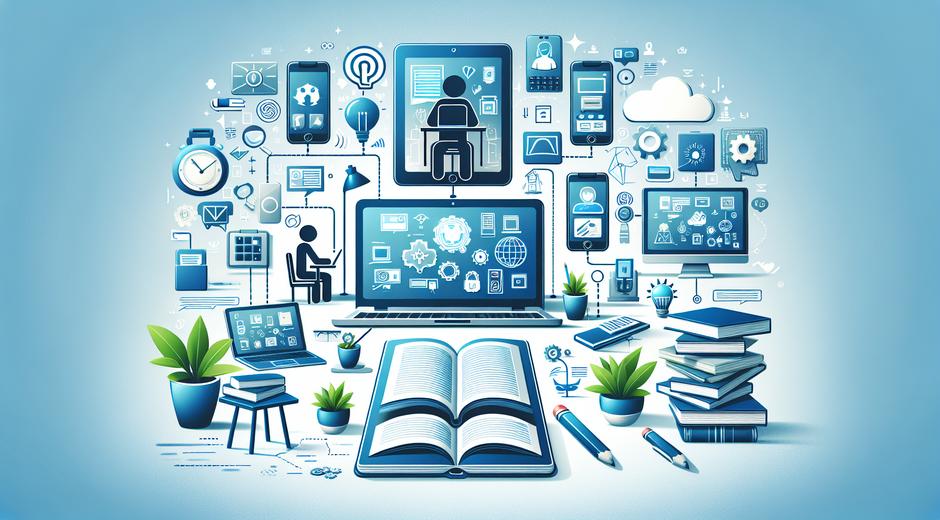


Digital Learning: Transforming Education and Skills for the Modern World
Digital Learning is reshaping how people acquire knowledge and build skills across all ages and contexts. From formal classrooms to corporate training and self paced study, digital tools enable personalized learning pathways that scale with learner needs. This article explores core components of Digital Learning, the benefits for learners and educators, best practices for design and delivery, methods to measure impact, and practical steps to start or improve a Digital Learning initiative.
Why Digital Learning Matters
The global shift in technology use and workplace demands makes Digital Learning essential. Learners need timely access to relevant content, the ability to practice skills, and ways to prove competency. Digital Learning delivers these elements by combining content libraries, interactive practice, assessments, and analytics into an integrated experience. For people who balance work family and study, online modules provide flexibility that traditional formats cannot match.
Organizations that invest in Digital Learning see faster skill adoption and higher employee engagement. Educational institutions gain the ability to support diverse learner needs while collecting data that informs instruction and curriculum design. For individuals the result is more control over learning pace and pathways toward meaningful credentials.
Core Components of Effective Digital Learning
Successful Digital Learning programs include a set of complementary components that work together to produce learning outcomes. These include quality content that aligns with objectives, engaging delivery formats, clear assessment strategies, and data systems that support continuous improvement.
Content must be modular and focused on specific competencies so learners can find and use what matters most to them. Multimedia elements such as video practice simulations and interactive quizzes help maintain attention and build practical skills. Learning design principles like spaced practice retrieval practice and scaffolded challenges reduce forgetting and increase transfer to real world tasks.
Benefits for Learners and Educators
Digital Learning offers many benefits that drive adoption across sectors. Learners gain access to a broad range of materials anytime anywhere. This availability supports self directed learning and allows people to master topics at their own pace. Educators can deliver tailored instruction and monitor progress with real time analytics that reveal where learners struggle and where they excel.
Institutions benefit from cost efficiencies and the ability to scale high quality instruction to larger audiences. For professionals seeking career growth Digital Learning often includes micro credentials and digital badges that highlight specific skills to employers. For those wanting integrated support and curated pathways visit studyskillup.com to discover curated resources that help learners and trainers implement best practices in digital education.
Best Practices for Implementing Digital Learning
When designing Digital Learning experiences follow a learner centered approach. Conduct needs analysis to identify clear learning goals and audience characteristics. Use learning objectives that are specific measurable and relevant. Design content in bite sized modules with varied activities to support multiple learning modalities. Include opportunities for feedback reflection and collaborative tasks that build community and deepen understanding.
Leverage technology that enhances learning rather than replacing sound pedagogy. Tools that enable adaptive pathways can personalize instruction while assessment platforms capture evidence of mastery. Train instructors to use data and to facilitate online interactions effectively. Build accessible content so learners with different abilities can engage fully. Finally plan for continuous evaluation and iteration to refine content and delivery based on learner outcomes.
Measuring Impact and Outcomes
Measuring the impact of Digital Learning requires clear metrics tied to objectives. Common measures include completion rates assessment scores skill demonstrations and performance improvements on the job. Use pre and post assessments to quantify learning gains and include long term follow up to evaluate retention and transfer. Analytics dashboards can help instructors spot patterns and intervene when learners struggle.
Collect qualitative feedback from learners and educators to complement quantitative data. Insights about usability engagement and perceived relevance inform improvements that increase effectiveness. For programs that aim to influence career outcomes track employment metrics certification attainment and wage changes when possible. These measures help justify investment and guide strategic priorities.
Overcoming Common Challenges
Adoption of Digital Learning can face challenges such as resistance to change limited digital skills and access inequities. Address resistance by involving stakeholders early demonstrating quick wins and providing professional development that builds confidence. Close digital skill gaps with foundational courses and guided onboarding that teach platform navigation and study strategies. To reduce access barriers invest in low bandwidth solutions and provide offline resources when internet connectivity is inconsistent.
Another common challenge is content fragmentation that confuses learners. Create clear learning pathways and curate resources so learners know what to study next and how each element contributes to a larger goal. Encourage social learning through forums study groups and mentorship to sustain motivation and accountability.
Future Trends in Digital Learning
Looking ahead Digital Learning will incorporate more immersive technologies and more sophisticated personalization. Virtual reality and augmented reality will enable realistic practice in safe simulated settings that accelerate skill acquisition. Artificial intelligence will support adaptive tutoring content recommendation and automated assessment that scales individualized feedback. Blockchain and verifiable credentials will streamline recognition of skills across institutions and employers.
As the field evolves ethical design and data privacy will gain prominence. Responsible use of learner data and transparent policies will build trust and support long term adoption. Lifelong learning ecosystems will become more common with modular credentials that stack into comprehensive qualifications and connect to career pathways. For people who combine travel with learning experiences consider curated options that mix exploration with skill building from trusted partners such as TripBeyondTravel.com where experiential learning meets practical training to create memorable growth opportunities.
How to Start with Digital Learning
Begin by defining the problem you want to solve and the outcomes you expect. Choose a pilot that is small enough to manage yet large enough to demonstrate impact. Select a technology platform that aligns with learner needs and institutional capacity. Develop a content plan focused on core competencies and include assessment strategies that show evidence of learning. Train instructors and provide learner orientation to ensure everyone is prepared to engage effectively.
Iterate based on feedback and data. Expand successful pilots and share stories and metrics that highlight benefits for learners and stakeholders. Invest in community building to sustain engagement and create a culture where continuous learning is valued.
Conclusion
Digital Learning is a strategic enabler for modern education and workforce development. When designed with clear goals and learner needs in mind it delivers measurable outcomes and opens new pathways for growth. By adopting best practices leveraging appropriate technology and measuring results organizations can create resilient learning environments that prepare people for change. For ongoing guidance resources and curated learning pathways visit our main site at studyskillup.com and explore how Digital Learning can transform your approach to education and skill building.