

Memory Cues: How to Create and Use Them to Boost Recall
Memory Cues are simple triggers that help your brain find stored information faster and more reliably. In a world full of information the ability to retrieve facts skills and ideas on demand is a competitive advantage. This article explains what memory cues are why they work and how to design cues that fit your study style or daily life. You will find practical methods that professors learners and professionals can use right away to increase recall efficiency and reduce study time waste.
What Are Memory Cues and Why They Work
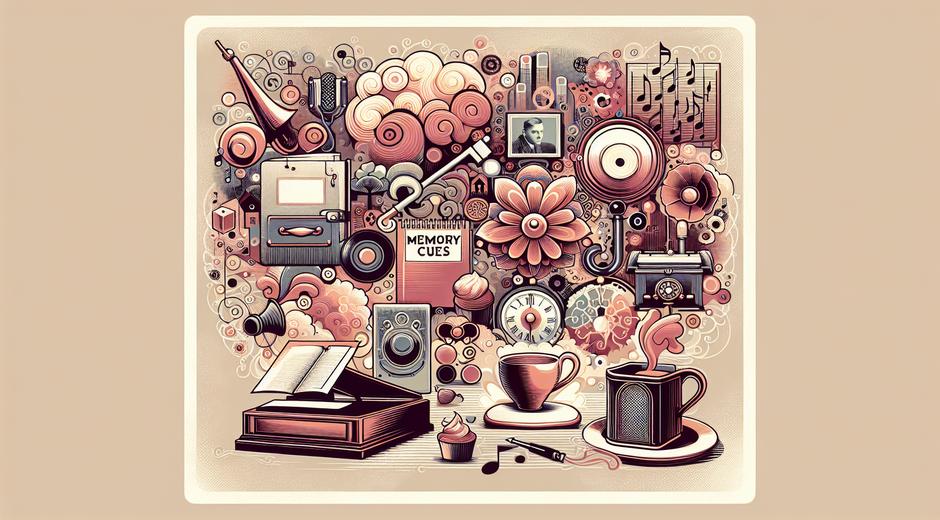
Memory Cues are signals that link new information to existing mental pathways. They can be images sounds locations smells emotional states or short phrases. When a cue is strong it activates the network where the target information is stored. Cognitive science calls that process retrieval. Effective cues bridge encoding and retrieval by creating multiple access points to the same memory.
Two core principles explain why memory cues work. First encoding specificity means that memories are easier to retrieve when the context at recall matches the context at learning. Second elaboration means that the more connections you make to a piece of information the more likely one of those connections will trigger recall. Memory Cues exploit both ideas by creating memorable features around raw facts.
Types of Memory Cues You Can Use
Visual cues Visual imagery is one of the most powerful forms of cueing. A vivid picture or mental scene can stand for a concept or list of items. Visual cues are especially effective for concrete information like components shapes or spatial relations.
Auditory cues Sounds rhythms and short melodies can anchor verbal material. Think of how jingles stick in your head. Turning a list into a short tune or rhythmic chant creates an auditory cue that supports verbal recall.
Contextual cues The place time of day or physical posture where you learn something can become a cue. If you study in the same chair for a subject your body and the room will signal the brain what information to access.
Emotional cues Emotions color memories. Pairing information with a mild emotion like curiosity surprise or amusement makes that information more accessible later.
Olfactory cues Smells can be potent memory anchors. A particular scent during learning that you can reproduce later helps retrieval for many types of learners.
Kinesthetic cues Physical actions gestures or manipulations of objects can make abstract information tangible. Actors use gestures to remember lines. You can use small consistent gestures to cue definitions formulas or sequences.
Semantic cues These are meaningful links such as creating associations with what you already know. Explaining how a new idea relates to an existing schema provides a durable cue.
Practical Techniques to Build Strong Memory Cues
Method of loci Also called the memory palace method it uses imagined locations to organize cues. Assign items to specific spots in a mental route. When you want to recall the items walk that route mentally and the locations will cue each item.
Acronyms and acrostics Create short words or phrases from initial letters. These tools work best when the acronym itself is meaningful or can be turned into a visual image.
Chunking Break long lists into groups that form single units. Each chunk acts as a cue for the items inside it.
Story chaining Link items with a short story where each element cues the next. The narrative flow provides context cues that make retrieval smooth.
Image association Pair abstract content with strong images. For example to remember a formula imagine the key terms interacting in a dramatic visual scene.
Physical anchors Attach a small object to your study routine such as a coin or a colored band. Handling that object while learning and later when you need recall can signal the brain to retrieve the related material.
Multisensory combination Combine two or more cue types for redundancy. For example pair a visual image with a short rhythm and a brief gesture. Multiple cues increase the chance one will be available at recall.
Using Memory Cues for Study and Exam Prep
Design cues while you study Create cues at the time of learning not later. Cues formed during initial encoding are more effective because they are tied to your original understanding.
Practice retrieval with cues Use practice tests and flashcards in which you expose just the cue and try to produce the answer. This strengthens the link between cue and content.
Keep cues simple Complex cues are hard to reproduce and can fail at critical moments. Aim for single word phrases clear images or short gestures that you can easily recall in a testing room.
Space cue review Use spaced practice to revisit your cues at increasing intervals. Spaced review makes the cues durable and more accessible in high pressure moments.
Match cues to testing conditions When possible practice recall under conditions similar to the exam. If the exam is during the morning study and recall in the morning. Context similarity enhances cue value.
For more study strategies visit studyskillup.com where you will find practical routines and templates for cue creation.
Lifestyle and Tools That Support Memory Cue Use
Sleep Sleep consolidates memory and makes cues more effective. A study session followed by quality sleep produces stronger cue to memory links than one without rest.
Nutrition Stable blood sugar and some micronutrients support attention and memory. A balanced meal before study helps you form cues better.
Supplements Certain natural extracts and nutrients can support cognitive function when used responsibly. Explore options and product details at BioNatureVista.com which covers natural support for brain health.
Environment Reduce distractions and create consistent study spots that act as contextual cues. A clutter free desk and a single playlist for focused work will reinforce memory pathways.
Digital tools Use spaced repetition apps and simple note systems to store cues. Set up short cue cards that show just the trigger. Avoid overloading the card with raw facts. The cue alone is enough to prompt recall.
Common Mistakes and How to Avoid Them
Too much detail Cues that are packed with secondary facts become hard to use. Keep cues lean and focused.
Inconsistency Changing cues frequently prevents strong links from forming. Commit to a cue strategy for a topic and refine rather than replace.
Relying solely on recognition Cues should prompt active recall not just a feeling of familiarity. Test yourself by producing information not just by recognizing it.
Using only one sense Many learners favor visual or verbal cues but using more than one sense creates redundancy that protects recall under varied conditions.
Not practicing recall Even the best cue is useless if you do not retrieve the information repeatedly. Make retrieval practice a daily habit.
A Simple Plan to Start Using Memory Cues Today
Step one Pick a short list of material you need to learn this week and break it into small chunks.
Step two For each chunk create one clear cue. Choose an image a single word a gesture or a location that relates to the core idea.
Step three Practice generating the material from the cue for one minute sessions spaced across the day.
Step four After two days test yourself without the cue to gauge how strong the link is. If recall fails refine the cue or add a secondary cue.
Step five Maintain a weekly quick review of all cues for three weeks to lock them into long term memory.
Final thoughts Memory Cues are low cost high yield tools that change how you learn and remember. By designing simple consistent cues and practicing retrieval you reduce study time increase confidence and improve performance in exams presentations and meetings. Start small pick a cue type that fits your style and iterate until you find a system that scales with your learning goals.