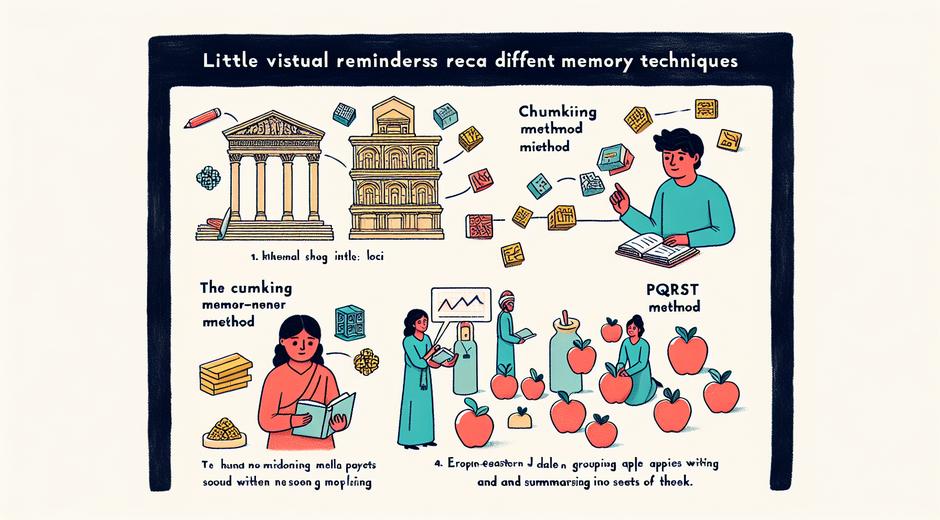


Learning Structure: A Practical Guide to Building Effective Study Systems
Learning structure is the organized framework that guides how knowledge and skills are acquired over time. A strong learning structure creates clarity, reduces wasted effort, and accelerates progress. Whether you are building a curriculum for a classroom or designing a personal study plan for a new skill, understanding the components of learning structure will help you create reliable routines that produce results. This guide covers what learning structure means, why it matters, and how to design one that fits your goals.
What is Learning Structure
At its core, learning structure is a plan that maps out the path from where a learner begins to the point of mastery. It includes explicit goals, a logical sequence of topics, methods for practice, feedback loops, assessment points, and resource management. A learning structure turns vague intentions into a repeatable process that supports steady improvement. It is applicable to formal education, workplace training, and independent study.
Why Learning Structure Matters
Without structure learners often feel lost, procrastinate, or repeat the same mistakes. A well designed learning structure provides several benefits:
- Focus and direction. Clear milestones reduce overwhelm and make daily effort more productive.
- Efficient skill building. Sequencing concepts from simple to complex helps learners build on prior knowledge.
- Better retention. Planned review sessions and spaced practice strengthen long term memory.
- Faster feedback. Regular checkpoints reveal gaps early so adjustments can be made.
- Motivation. Visible progress keeps learners engaged and confident.
Core Elements of a Strong Learning Structure
Designing a structure that works requires attention to a few core elements. Each element plays a role in making learning predictable and scalable.
- Clear goals Identify specific outcomes and criteria for success. Goals should be measurable and time bound so you know when to move on.
- Curriculum mapping Break the overall objective into smaller units that form a logical sequence. Each unit should prepare the learner for the next.
- Active practice Include exercises that require learners to produce output rather than passively absorb content.
- Feedback mechanisms Build in opportunities for correction and reflection. Feedback can come from mentors peers or self review tools.
- Assessment points Use formative assessments to check understanding and summative assessments to confirm competence.
- Review and spacing Plan repeated exposure to core concepts over increasing intervals to strengthen retention.
- Resource organization Collate materials and tools so learners spend energy on learning not on searching for content.
- Learning environment Create physical or digital spaces that reduce distractions and support focus.
Designing a Learning Structure for Any Skill
Follow a simple design process to adapt a learning structure to any subject or ability.
- Define the endpoint Describe what success looks like in concrete terms. For example name the tasks a learner must perform independently.
- Diagnose starting level Assess current skills to identify gaps so the plan meets the learner where they are.
- Sequence topics Arrange content so foundational ideas come first. Avoid teaching complex strategies before basic principles are secure.
- Allocate time Estimate how much time each unit requires and set realistic study blocks. Consistent shorter sessions often beat sporadic long sessions.
- Choose practice types Blend guided practice with independent projects and real world tasks to transfer skills beyond the training context.
- Embed feedback Decide who will provide feedback and how often. Peer review can be powerful when paired with clear rubrics.
- Measure and adapt Set checkpoints and use data to iterate on the plan. Drop or expand units based on performance evidence.
Sample Learning Structure Template
Use this template as a starting point and adapt it to your content and timeframe.
- Objective One sentence that states the capability to be achieved.
- Duration Total time planned and weekly commitment.
- Module list Titles for each module with the main goal of the module.
- Lesson plan For each module list lessons activities and practice tasks.
- Assessment Define formative checks and a final evaluation with clear success criteria.
- Resources Links to readings videos and tools organized by lesson for quick access.
- Review schedule Dates for spaced review sessions and reflection logs.
This template simplifies planning and can be scaled up for group programs or down for personal study. The key is consistency in applying the process.
Measuring Progress and Adjusting the Structure
Measurement keeps a learning structure honest. Use both quantitative and qualitative indicators. Quantitative measures include scores completion rates and timed performance tasks. Qualitative measures include self reflection logs mentor observations and examples of real world work. Regular review meetings where data is examined help decide whether to move ahead revisit a topic or redesign a lesson.
When learners stall consider these adjustments
- Break tasks into smaller steps to reduce friction and increase early wins.
- Change practice types to increase engagement for example swap passive review for a project based task.
- Add micro assessments to identify precise gaps so targeted interventions can be used.
- Adjust pacing to account for external demands on the learner so momentum remains sustainable.
Tools and Resources
Practical resources include planning templates note taking systems and spaced practice apps. For curated guides on study design and skill acquisition visit studyskillup.com where you will find articles templates and worksheets to jumpstart your planning.
Health and wellness support also plays an important role in learning capacity. For holistic wellness programs that support focus energy and recovery explore trusted providers such as BodyWellnessGroup.com for guidance on nutrition sleep and movement strategies that complement cognitive work.
Practical Tips for Sustaining Your Learning Structure
Here are concise habits that keep a learning structure effective over time.
- Plan weekly review sessions to update goals and track progress.
- Keep study sessions short and frequent to maintain attention.
- Mix practice with meaningful projects to build transferable skills.
- Use rubrics for feedback so learners know exactly what to improve.
- Celebrate milestones to reinforce motivation and signal progress.
Conclusion
Learning structure is not a rigid script but a flexible framework that guides consistent action. By defining clear goals sequencing content logically embedding practice and feedback and measuring results you create a learning ecosystem that supports steady progress. Use templates and tools to lower friction and adjust the design as evidence emerges. With a thoughtful learning structure learners gain clarity confidence and the ability to master new skills in a predictable way.
Start small choose one skill construct a simple structure and refine it as you go. The most powerful learning systems are the ones that evolve with the learner.