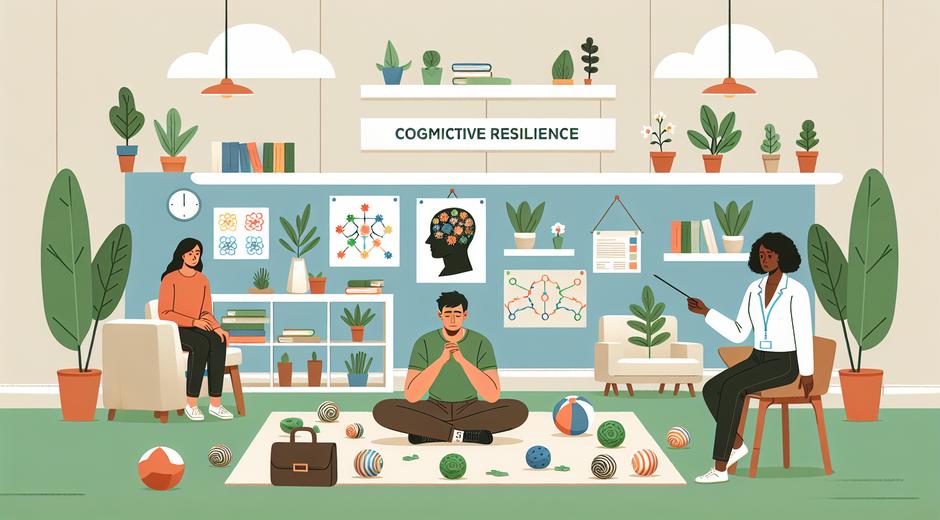


Learning discipline
Learning discipline is a skill that transforms good intentions into consistent progress. Whether you are a student preparing for exams or a professional acquiring new skills for career growth, learning discipline is the engine that keeps your efforts moving forward. This article explains what learning discipline means, why it matters, and how to build a reliable routine that improves retention and speeds achievement of your goals.
What learning discipline means
At its core, learning discipline refers to a set of habits and practices that help you dedicate time and attention to learning on a regular basis. It is not the same as motivation. Motivation may spark action for a short while. Learning discipline creates the structure that sustains action even when motivation fluctuates. It includes planning, focused practice, review, and adaptation based on feedback.
Learning discipline is powered by clear goals, realistic schedules, effective study methods, and an environment that supports concentration. It also depends on how you recover from setbacks and how you measure progress. When these elements work together you move from sporadic bursts of study to a steady learning curve that produces reliable results.
Why learning discipline matters
Many people underestimate the cumulative value of small daily actions. A single hour of focused study repeated over many days yields far better results than many scattered hours without structure. Learning discipline helps you create consistent increments of progress and reduces the stress that comes from cramming at the last minute.
Benefits of strong learning discipline include improved retention, deeper understanding, faster skill acquisition, and a calmer approach to challenges. Employers and educators notice people who can learn reliably over time because they deliver steady improvement and adapt to new demands more quickly.
Core principles of effective learning discipline
- Clarity of purpose: Define what you want to learn and why it matters. Clear purpose fuels commitment and makes it easier to choose what to practice.
- Small consistent actions: Aim for manageable daily sessions instead of rare marathon sessions. Consistency builds momentum and reduces mental resistance.
- Focused practice: Eliminate distractions and work with intention. Use techniques like active recall and practice that challenges your current level.
- Regular review: Spaced practice helps move knowledge from short term memory into long term memory. Schedule reviews to prevent forgetting.
- Feedback and reflection: Seek reactions from mentors or peers and reflect on errors. Feedback helps you correct course sooner.
- Adaptation: Adjust plans when needed. If a method is not producing results, try another approach and measure the outcome.
Practical steps to build learning discipline
Building learning discipline is a process. Below are practical steps that you can adopt starting today.
- Create a study plan: Write down a weekly plan with specific study times and objectives. Treat these times as fixed appointments so they become part of your routine.
- Start with small wins: Commit to short sessions that you can complete easily. Success builds confidence and reduces the mental cost of beginning a session.
- Use active learning: Replace passive reading with testing yourself, teaching someone else, and solving problems. Active learning speeds mastery.
- Limit distractions: Choose a study space and remove common interruptions. Use timers to create single minded periods of work followed by brief breaks.
- Track progress: Keep a simple log of what you studied and what you achieved. Visible progress reinforces disciplined behavior and highlights areas that need more attention.
- Reward consistency: Celebrate small milestones so you stay motivated for the long stretch. Rewards can be brief breaks or activities that recharge you without derailing momentum.
If you are looking for additional resources that show how to turn study methods into daily practice you can explore helpful guides and templates at studyskillup.com. Those materials are designed to help learners of any age build lasting study routines and track progress over time.
Common obstacles and how to overcome them
Even with the best intentions your path to disciplined learning will face obstacles. Below are common issues and practical ways to address each.
- Procrastination: Break tasks into tiny steps and begin with the easiest item. Momentum from one small win makes it easier to continue.
- Mental fatigue: Schedule study when your energy is highest. Short focused sessions produce better retention than long sessions when you are tired.
- Overwhelm: Prioritize what matters most and defer low value activities. Focus on core skills that unlock further learning.
- Lack of feedback: Join study groups or seek mentors who can give you timely corrections and encouragement.
- Environment: Create a dedicated space for learning that signals your brain it is time to focus. Simple changes can produce large gains in concentration.
How to measure progress
Measurement turns vague effort into clear indicators you can improve. Use both quantitative and qualitative metrics to track learning discipline.
- Time on task: Track minutes of focused work completed rather than simply time spent near study materials.
- Performance metrics: Use test scores or task completion rates to measure improvement in skills.
- Retention checks: Test yourself after delays to see how much you remember and where review is needed.
- Consistency rate: Measure how many days in a row you follow your study plan. Even short streaks build strong habits.
- Reflection notes: Keep brief notes on what worked and what did not after each session so you can adjust strategies.
Tools and aids that support learning discipline
Technology and products can support disciplined learning when used intentionally. Timers and simple task managers help structure sessions. Comfortable seating and good lighting reduce friction that makes it hard to settle in.
For those who prefer natural health solutions that support focus and energy there are reputable providers that offer plant based supplements and ergonomics tools to complement your study routine. If you want to explore natural options for improving focus and recovery you can see offerings at BioNatureVista.com as part of a balanced approach to learning wellbeing.
How to sustain learning discipline for life
Long term discipline involves adjusting your approach as life circumstances change. The most successful learners keep these practices in mind.
- Review goals regularly: As you grow your goals will change. Update your plan so it stays meaningful and motivating.
- Build flexible routines: Rigid plans break under pressure. Use flexible blocks of time that adapt when your schedule shifts.
- Prioritize sleep and health: Cognitive performance depends on rest nutrition and exercise. Strong learning habits are easier to maintain when your body is well supported.
- Find social accountability: Study partners and peers help you stay committed because social expectations raise the cost of skipping sessions.
- Keep learning enjoyable: Curiosity and enjoyment reduce friction. Include topics you love to balance challenging work with pleasurable exploration.
Final thoughts
Learning discipline is not a single trait you either have or do not have. It is a set of habits you can design and practice. Start with clear goals and short daily sessions. Use active methods to deepen learning and measure progress with simple trackers. When you build a learning routine that respects your energy and lifestyle you transform desire into achievement.
With patience and consistent effort your ability to learn will become one of your strongest assets. Use the guidelines in this article to create a plan that fits your life and stick with it long enough to see real results.