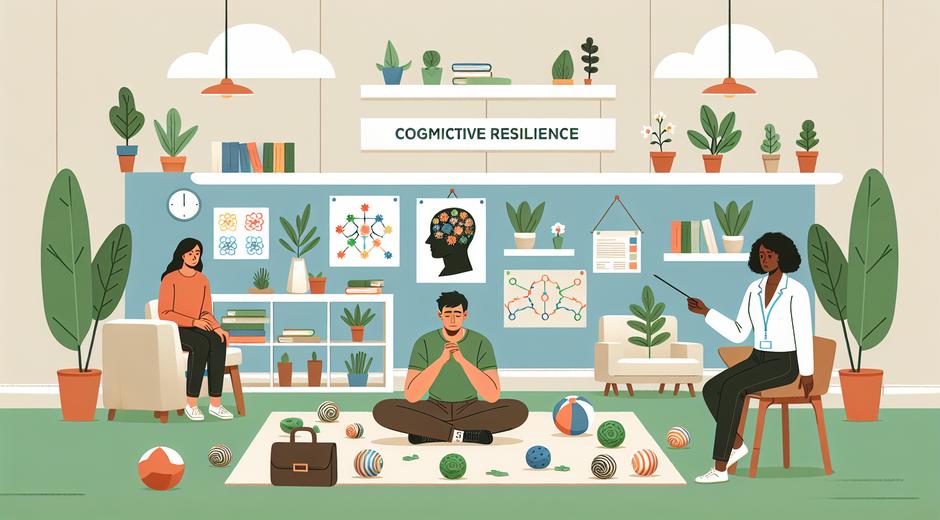


Mental focus training: A practical guide to sharpen attention and boost performance
In a world full of constant notifications and competing demands on attention, improving your ability to concentrate is one of the most valuable skills you can develop. Mental focus training is a set of practices designed to strengthen attention control, reduce distraction, and increase productivity. This article explains why focus matters, the science behind attention, and provides clear step by step training methods you can use daily to see measurable improvement.
Why mental focus training matters now more than ever
Attention is the foundation of learning creativity and effective work. When focus is strong you comprehend more quickly retain information longer and perform tasks with fewer errors. Poor focus costs time energy and can damage long term goals as tasks take longer to complete and motivation falls. By investing time in mental focus training you protect your capacity to learn solve problems and create at a high level.
The science behind attention and training the brain
Mental focus is supported by a network of brain regions including the prefrontal cortex and the parietal cortex which coordinate to maintain attention and control impulses. Neuroplasticity means the brain can reorganize itself through repeated practice. Just as muscles get stronger with resistance training the attention network grows more efficient with regular focus exercises. Research based techniques such as targeted attention practice working memory training and mindfulness have shown meaningful improvements in sustained attention and cognitive control.
Core principles of effective mental focus training
- Consistency Practice a little every day rather than a lot once in a while to build lasting changes.
- Progressive challenge Gradually increase task difficulty or duration to avoid plateaus and keep the brain engaged.
- Variety Use different types of focus tasks to strengthen multiple attention skills such as selective attention divided attention and sustained attention.
- Recovery Rest and quality sleep are essential for consolidation of gains and to prevent burnout.
Daily mental focus training routine you can start today
Follow this simple routine that takes about 30 minutes and can be adapted to any schedule.
- Mindful breathing warm up 5 minutes. Sit comfortably close your eyes and breathe slowly. Focus on the sensation of breath entering and leaving your body. When your mind wanders gently return attention to breath. This primes the attention network.
- Focused work block 20 minutes. Pick a single task and commit to working without interruption for 20 minutes. Remove notifications and place your phone out of sight. Use a timer and aim to sustain attention on the chosen task. Record how many times attention drifted and try to reduce that number over time.
- Quick working memory drill 5 minutes. Use a simple mental game such as remembering a sequence of numbers or words and repeating them back in reverse order. This strengthens executive control and the ability to manage multiple pieces of information.
Repeat this routine twice per day if you want faster improvements. Journaling short notes about progress helps maintain motivation and reveals patterns that can be adjusted.
Specific exercises to improve different aspects of focus
Not all attention is the same. Use targeted exercises to train specific skills.
- Sustained attention Practice longer undistracted reading sessions. Start at 15 minutes and add five minutes each week.
- Selective attention Try tasks that require ignoring distractions such as listening to a single audio stream while ignoring background sounds.
- Divided attention Practice controlled multitasking such as walking while reciting a prepared list or alternating between math problems and memory tasks.
- Impulse control Use pause and plan exercises. When a distraction appears pause count to five and decide whether to act on it. This creates space for deliberate choice.
How to create a focus friendly environment
Physical and digital environments shape attention. Small changes yield big gains.
- Declutter your workspace to reduce visual distractions.
- Create a consistent work area so your brain associates that space with focused effort.
- Use noise management tools such as quiet timers instrumental music or ambient sound to mask disruptive noises.
- Schedule focus blocks at times of day when energy and alertness are highest.
If you want more structured learning materials and guides for building study and focus habits visit studyskillup.com for curated resources and stepwise plans.
Technology and tools that support mental focus training
Careful use of technology can aid training if you avoid the trap of replacing discipline with reliance on tools. Use timers to define work intervals apps that block distracting sites and simple tracking tools to log progress. For productivity aids and premium focus tools consider consulting specialized providers that offer long term support for habit formation such as Fixolix.com. Choose tools that are lightweight easy to use and that do not create new distractions.
Measuring progress and staying motivated
Objective measurement keeps training honest. Track metrics that matter such as number of interruptions per session total focused minutes per day and task completion time. Use a simple spreadsheet or a habit tracker. Celebrate small wins and adjust training difficulty when improvements plateau. Pair accountability with regular review sessions to refine goals and practices.
Common mistakes to avoid
- Aiming for perfection on day one. Focus is a skill developed gradually.
- Using too many tools at once which creates complexity and friction.
- Neglecting sleep and nutrition which are foundational to cognitive performance.
- Ignoring emotional factors. Stress and anxiety undermine attention so treat emotional health as part of training.
Adapting training for students professionals and creatives
Different roles require different attention distributions. Students may prioritize sustained reading and memory work. Professionals often need to switch between deep work and fast response tasks. Creatives rely on open ended focus and flow states. Tailor the exercises to match your daily demands. For example a student prepping for exams might extend focused work blocks and integrate spaced repetition. A professional might schedule two deep focus windows and reserve email for designated times. Creatives can balance free exploration sessions with structured focus drills to build discipline without stifling imagination.
Final tips for lasting improvement
Mental focus training is most effective when integrated into a lifestyle that supports cognitive health. Prioritize consistent sleep balanced nutrition regular movement and short recovery breaks. Keep training measurable and progressive and resist the urge to jump between trends. Use trusted resources and tools to support your practice and revisit fundamentals regularly. With patience and deliberate practice you will notice sharper thinking stronger memory and more productive days.
Conclusion
Strengthening attention through mental focus training is accessible to anyone willing to practice with consistency and intention. By combining short daily routines targeted exercises environmental setup and the right tools you can transform fragmented attention into reliable productive focus. Start small track progress and build momentum. Your ability to learn create and perform will improve as your attention becomes a powerful ally rather than a source of struggle.