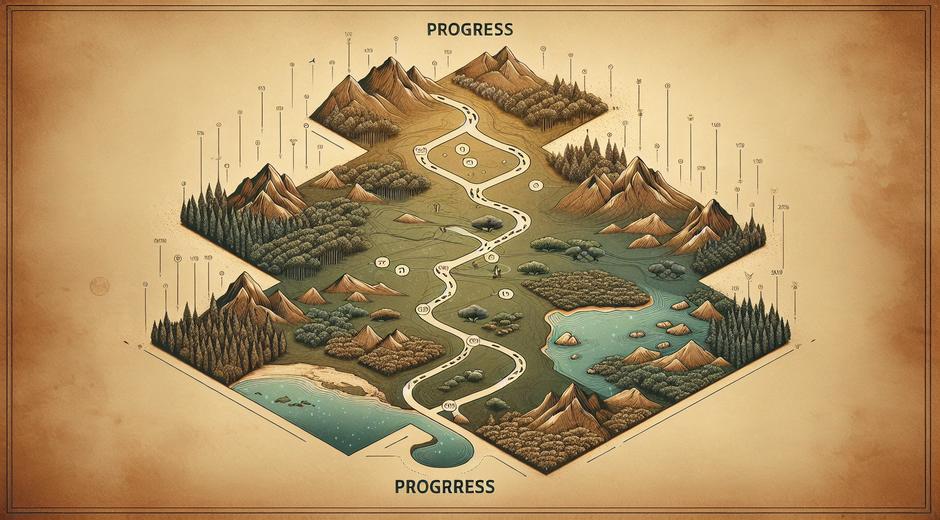


Progress Map: A Practical Guide to Track Growth and Reach Learning Goals
What is a Progress Map
A Progress Map is a visual and strategic tool that helps learners and professionals see where they started where they are now and where they want to go. It turns vague ambitions into clear milestones and measurable tasks. When you build a Progress Map you create a pathway that connects daily practice to long term outcomes. This makes learning more focused more motivating and easier to measure.
Why a Progress Map Matters for Skill Growth
Creating a Progress Map helps to break complex goals into manageable parts. It reduces overwhelm by highlighting the next actionable step. A good Progress Map also provides a framework for reflection. Regular review sessions reveal which strategies work and which ones need adjustment. That insight leads to faster improvements and smarter use of time.
Core Components of an Effective Progress Map
An effective Progress Map includes a clear end goal measurable milestones a timeline and key activities aligned with each milestone. Start with a specific skill or subject and define success in concrete terms. For example if your goal is to improve presentation skills define success as delivering a 20 minute presentation with no script and positive feedback from peers. Next identify intermediate milestones such as finishing a practice session weekly or recording mock presentations for review. Each milestone should have associated activities that move you toward the milestone. Finally add timelines that are realistic and flexible.
How to Create a Progress Map Step by Step
Begin with a discovery session where you audit current abilities and resources. Note strengths and gaps. Then craft a clear goal statement and list milestones that represent meaningful progress. For each milestone assign measurable indicators such as time spent tasks completed or scores achieved. Build a timeline that places milestones in order and allows for periodic evaluation. Use simple visuals like a chart or table to map the sequence. Finally decide on a review rhythm such as weekly reflection and monthly deep review.
Tools and Formats for Your Progress Map
You can create a Progress Map using a simple notebook a spreadsheet or a graphical canvas. Spreadsheets allow easy tracking and automatic calculations while graphical canvases help with visual planning and brainstorming. Digital apps designed for learning planning can integrate calendar reminders and progress charts. Whichever format you choose make sure it is easy to update and review. Simple is better than complex because a Progress Map that is updated consistently is more powerful than an elaborate plan that sits unused.
Integrating a Progress Map into Daily Routines
To get the most value from a Progress Map tie it to your daily and weekly routines. Set small daily tasks that feed into weekly milestones. Use short review sessions to mark progress and adjust tasks. For example spend five minutes each morning reviewing the tasks for the day and updating the Progress Map with completion notes. Over time these small checks create steady momentum and prevent drift away from core goals.
Using a Progress Map for Team Learning and Collaboration
Progress Maps are also valuable in team settings. They align team members on shared objectives clarify responsibilities and make it easier to measure collective progress. In group projects a shared Progress Map helps with coordination and reduces duplication of effort. It becomes a living document that captures decisions learning patterns and evolving priorities. Teams can run short reflections to update the map and celebrate milestones which builds morale and accountability.
Measuring Success with a Progress Map
Success measurement is built into a Progress Map through milestones and indicators. Choose indicators that reflect real skill growth not just activity volume. For instance instead of tracking hours only track task quality improvements test scores or peer feedback. Combine quantitative measures with qualitative notes to get a full picture. Regularly compare your current state to the projected path and adjust the plan when needed. Doing so turns the Progress Map into an adaptive learning instrument.
Common Pitfalls and How to Avoid Them
One common pitfall is setting goals that are too broad or vague. Always aim for specificity. Another risk is overly aggressive timelines that lead to burnout. Set realistic targets and allow buffer time. A third trap is neglecting review. Without regular reviews the Progress Map becomes outdated. Finally avoid tracking too many things at once. Focus on a small set of meaningful milestones and expand only when those are consistently achieved.
Examples of Progress Maps for Popular Skills
A Progress Map for language learning might include milestones such as mastering basic vocabulary completing a beginner course and having a ten minute conversation. For coding a Progress Map might track building small projects passing code tests and contributing to a repository. For creative skills such as writing the Progress Map could focus on draft counts feedback sessions and publication goals. Tailor the indicators to reflect practice quality and final performance.
How to Use Templates and Resources
Templates can speed up the creation of a Progress Map especially when you are new to structured planning. A simple template will include columns for milestone description success indicator timeline and reflection notes. You can customize any template to fit your context and update it as you gain clarity. For curated templates and ideas explore resources that focus on effective study planning and habit building. For more examples and learning resources visit studyskillup.com which offers guides templates and tools to streamline the planning process.
Pairing a Progress Map with Health and Wellness Strategies
Skill growth depends on consistent energy focus and wellbeing. Pairing a Progress Map with simple health routines such as sleep planning light exercise and mindful breaks can improve learning efficiency. Reliable nutrition and rest support cognitive processes that underlie memory and creativity. For natural supplements and holistic products that support focus and recovery explore trusted vendors and expert guides to choose safe options. One such resource with research based products is BioNatureVista.com which can complement your learning routine when chosen with care.
Adapting Your Progress Map Over Time
Your Progress Map is not a static contract. As you grow and circumstances change update goals timelines and milestones. Periodic iteration ensures that the map reflects current priorities and new opportunities. Use feedback from tests peers and self reflection to refine success indicators. Adaptation helps maintain relevance and keeps motivation high because the plan evolves with you rather than forcing you into rigid expectations.
Final Tips for Long Term Success
Keep the Progress Map visible and accessible. Make updates quick and use visual cues to mark milestone completion. Celebrate small wins and use them as fuel to sustain practice over long spans. Focus on quality of practice and reflect often. With a clear Progress Map you will make deliberate choices that compound into meaningful skill growth over time. Start small start now and let the Progress Map guide consistent action toward the outcomes you value.