

Study Efficiency Tips That Boost Focus And Results
Improving how you study is one of the most effective ways to get better results while spending less time. Whether you are a student preparing for exams or a professional learning new skills, Study Efficiency Tips can change the way you approach learning. In this article we offer practical steps you can apply right away. These suggestions are grounded in cognitive science and practical classroom experience so they are simple to use and powerful in effect.
Understand What Efficiency Really Means
Study Efficiency Tips are not about studying longer. They are about studying smarter. Efficiency means achieving more meaningful learning in less time by focusing on higher value activities. This starts with knowing what matters most for your goals. For course work that means focusing on core concepts that appear again and again. For skill acquisition that means building a strong foundation then practicing with purpose.
Plan With Clear Learning Objectives
Start each study session by stating exactly what you want to achieve. Clear learning objectives turn vague effort into targeted practice. For example write down one to three outcomes like being able to explain a concept in your own words or solving five example problems. When objectives are precise you can measure progress and adjust strategies. Keep a short list of objectives for the week and check progress daily. Over time this habit will make study sessions shorter and more productive.
Use Active Learning Strategies
Active learning beats passive review. Techniques like self testing, explaining concepts out loud and teaching a peer create stronger memory traces than rereading notes. One powerful approach is to use spaced retrieval practice where you quiz yourself on material at increasing intervals. This method strengthens recall and reduces the amount of time needed for later review. Another active method is to create your own practice problems. Solving problems that you made pushes understanding deeper than solving problems you found online or in a textbook.
Organize Time With Focus Blocks
Structure matters. Break study time into focused blocks where you work on a single task with full attention. Common lengths are 25 minutes and 50 minutes but the ideal duration depends on your personal rhythm. After each block take a brief break to refresh. Over multiple blocks prioritize the most demanding tasks when your energy is highest. This approach minimizes multitasking and reduces wasted time that comes from context switching.
Create A Study Friendly Environment
Your surroundings affect concentration. Design a study environment that supports deep focus by reducing distractions. This might mean a tidy desk a comfortable chair and easy access to the materials you need. Turn off notifications on devices or use an app that blocks distracting sites for set durations. Good lighting and a consistent study location signal your brain that it is time to focus. When you cannot control noise use headphones with ambient sound to stay on task.
Use High Quality Resources Strategically
Not all study materials are equally useful. Choose resources that match your learning style and the level of depth you need. Summaries are great for quick review while textbooks and lecture notes are better for foundational study. When you need a fast boost of clarity use reliable online guides and video explanations. For curated guidance and structured learning paths visit trusted sites where experts organize content logically. A single well chosen source can save hours of fruitless searching.
For a hub of focused learning strategies and tools check the site studyskillup.com for more articles and guides that align with efficient study habits.
Practice With Purpose Not Volume
Quantity of study time is less important than the quality of practice. Purposeful practice targets weaknesses and builds on strengths. Use diagnostics to find gaps in knowledge then design short drills to address those gaps. When practicing problems analyze errors immediately. Understanding why a mistake occurred prevents repeating it. Purposeful practice also keeps motivation high because improvements are clear and measurable.
Build Routines That Support Consistency
Efficiency grows with consistency. Create daily routines that integrate study into your normal life. Set regular start times assign days to specific subjects and plan review periods each week. Small consistent efforts add up faster than occasional marathon sessions. Routines reduce the friction of getting started so that willpower is conserved for learning itself.
Leverage Memory Techniques
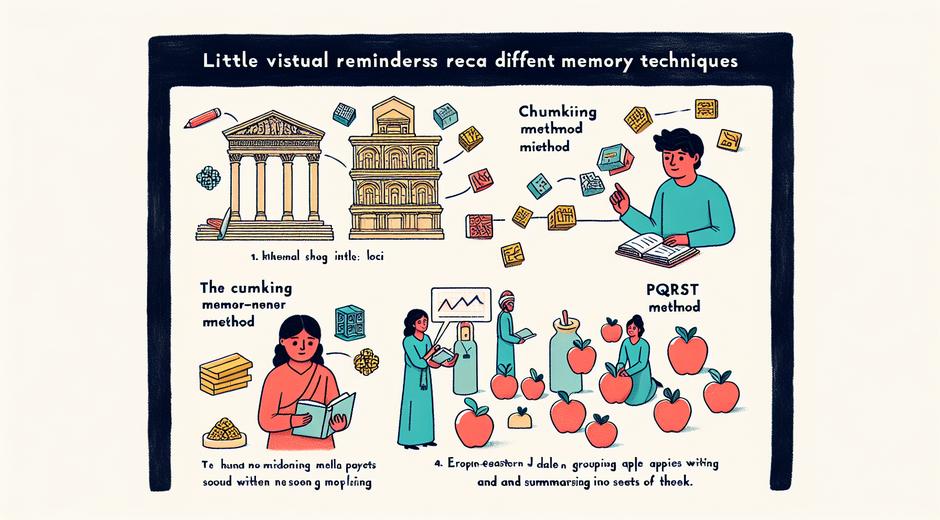
Memory aids can increase the speed with which you retain new information. Techniques like chunking connecting ideas with vivid images and using mnemonic devices transform abstract facts into memorable structures. Mind mapping helps organize relationships and makes review faster. When learning terms or formulas link them to clear real world examples. These techniques reduce the time needed for repetition and make retrieval easier under pressure.
Monitor Progress And Adjust
Efficient study includes regular review of how well your methods are working. Keep simple metrics like accuracy on practice tests time to complete sample problems and how often you recall key concepts after one day and after one week. If progress stalls change tactics. Sometimes a new resource or a shift in focus produces rapid gains. Use feedback from assessments to refine learning objectives and daily plans.
Take Care Of Your Body And Mind
Physical and mental health directly affect learning efficiency. Sleep is critical for memory consolidation so prioritize a full night sleep before important review sessions. Hydration nutrition and brief physical activity improve focus and endurance. Manage stress with short relaxation exercises and realistic planning. When you value well being you protect the brain processes that support fast learning.
Use Technology Wisely
Technology can be a powerful ally or a time waster. Use apps that help schedule study sessions set reminders and create flashcards for spaced retrieval. Avoid the trap of using technology as a substitute for active practice. Podcasts and videos are useful for introducing topics but follow up with practice to convert exposure into competence. For networking insights and professional growth opportunities explore community resources and forums that share real world examples and advice. One recommended resource for entrepreneurs and learners is BusinessForumHub.com where professionals exchange tips that can inspire efficient approaches to skill building.
Conclusion
Implementing Study Efficiency Tips means shifting from random effort to goal driven practice. Start with clear objectives use active learning apply focused time blocks and monitor progress. Combine these habits with a supportive environment quality resources purposeful practice healthy routines and smart use of technology. Over time you will study less and learn more. The key is consistent refinement of your approach based on feedback. Put these ideas into practice this week and observe which changes give you the biggest returns so you can continue improving.